Key Points:
The Grand Canyon Reuse Project will establish a permanent, large-scale foodservice reuse system at the South Rim, with launch targeted for the second half of 2027.
The system will eliminate an estimated 52 tons of single-use foodware annually and save 140,043 gallons of water.
Strategically placed return stations, standardized containers, and RFID tracking will make the system efficient and easy to use.
Behavioral research and visitor testing informed signage, messaging, and return station placement. The universal reuse symbol makes a cohesive system.
Despite infrastructure challenges and natural disasters, the project remains on track.
The project will establish a model for scaling reuse systems across other national parks.
In 2024, Upstream teamed up with Grand Canyon South Rim concessionaires, Xanterra and Delaware North, and proposed a vision to the National Park Foundation: the largest reusable foodware system in North America, showing nearly 5 million annual visitors how reuse works at scale. NPF awarded the seed funding, and we were on our way to designing a system that meets the unique challenges of a remote national park.
During the design process, we’ve been able to make more accurate projections and clarify the vision of the project even more. Once launched, the Grand Canyon Reuse system will:
collect, wash and sanitize, and redistribute up to 9,100 reusable foodware items a day
eliminate 52 tons of single-use foodware — which equals 263 miles of foodware items lined up end-to-end, basically the entire length of the Grand Canyon!
eliminate 288 MTCO2e annually
save 140,043 gallons of water a year
The burning question: how’s progress going in making this vision a reality, and when will it happen?
Alongside our partners, we’ve mapped out in detail every element of the reuse system. Next steps are installation and implementation, with launch targeted for the second half of 2027.
How will the Grand Canyon reuse system work?
Although Grand Canyon Village is a highly unique and specific setting, serving millions of guests per year, the foodware in the Grand Canyon reuse system will follow the same path as it would in any other reuse system. It is designed to be as seamless and intuitive as possible for users.
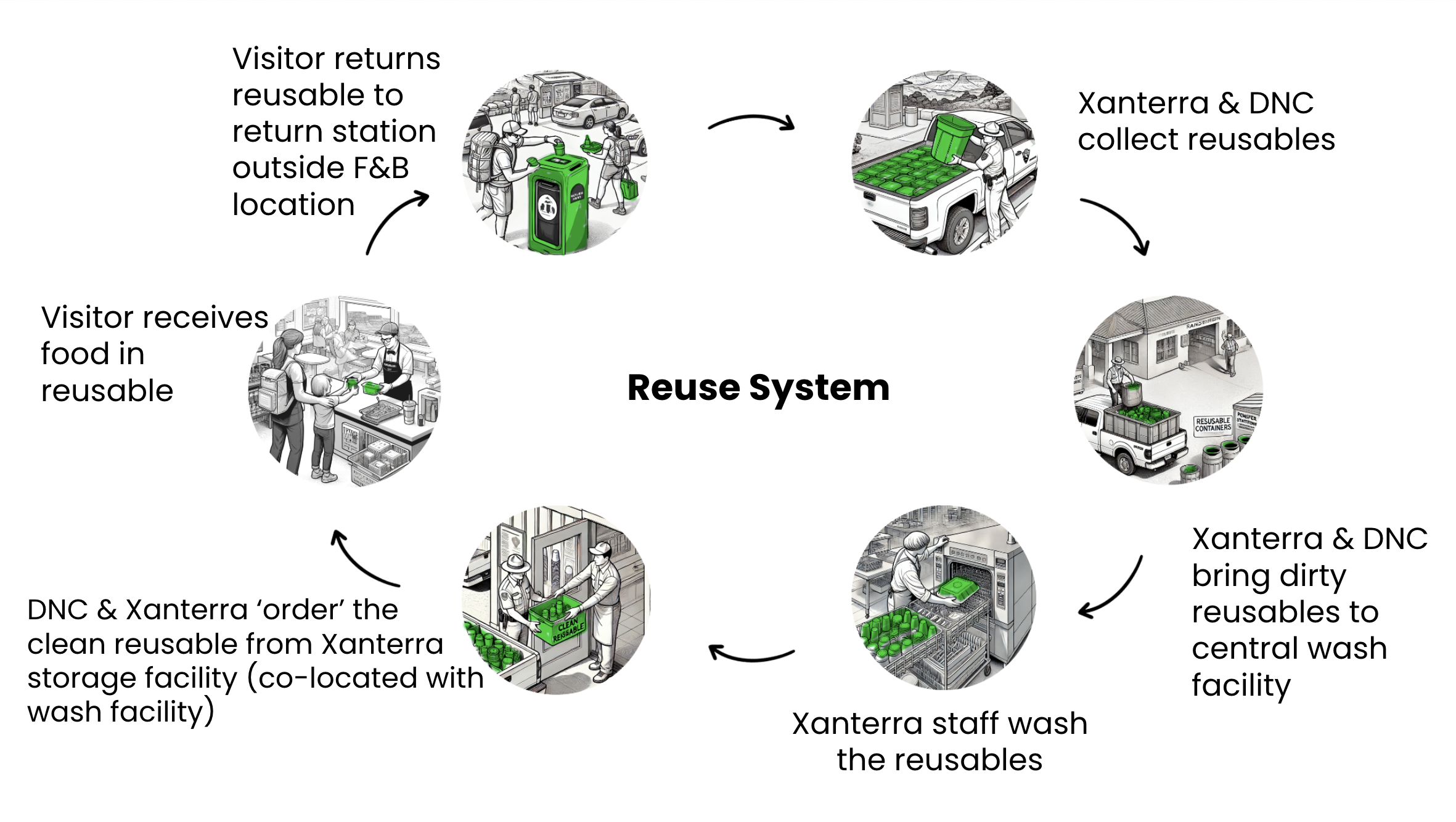
Visitors will receive their food in a reusable container. After eating, they will return the container to one of the many return stations strategically placed around the park. Per reuse system best practices, all return stations will be co-located with the trash and recycling cans. These siting decisions were made with input from the concessionaires, utilizing their geographic knowledge of the Grand Canyon South Rim.
The concessionaires will then handle the “reverse logistics:” collecting containers, washing and sanitizing them at the central wash facility, and storing them until the dining sites order them.
The entire system was designed around one key metric: return rate, or, the percentage of containers that are returned to the system to be reused. All elements of the infrastructure are designed to optimize that return rate, maximizing the number of reuses each item gets.
The Wash Facility
Constructing a new facility takes time and technical expertise, as well as coordination among a variety of contractors. For this project, there are construction contractors overseeing 20-30 workers building the wash facility, electrical engineers, plumbers, and of course — the concessionaire staff responsible for geographic advising.
Ground-up construction, though involved, presented a unique opportunity to design our wash facility to be highly optimized. We put out an RFI and ultimately partnered with Vytal, a reuse service company with several successful case studies in designing wash facilities. Vytal advised us on difficult decisions around optimal electrical and water inputs for the wash hub. After the initial design, reuse consultant Stephen Davis has been providing ongoing guidance and project management — invaluable for a project of such complexity and scale.
Hobart designed a highly efficient dish machine that maximizes hourly throughput while minimizing electricity and water usage. Our chosen site didn’t have the electrical capacity required to accommodate washing a projected 9,100 items a day. But our fundraising team and concessionaire partners remained committed, and we now have a plan to upgrade the electrical outputs.
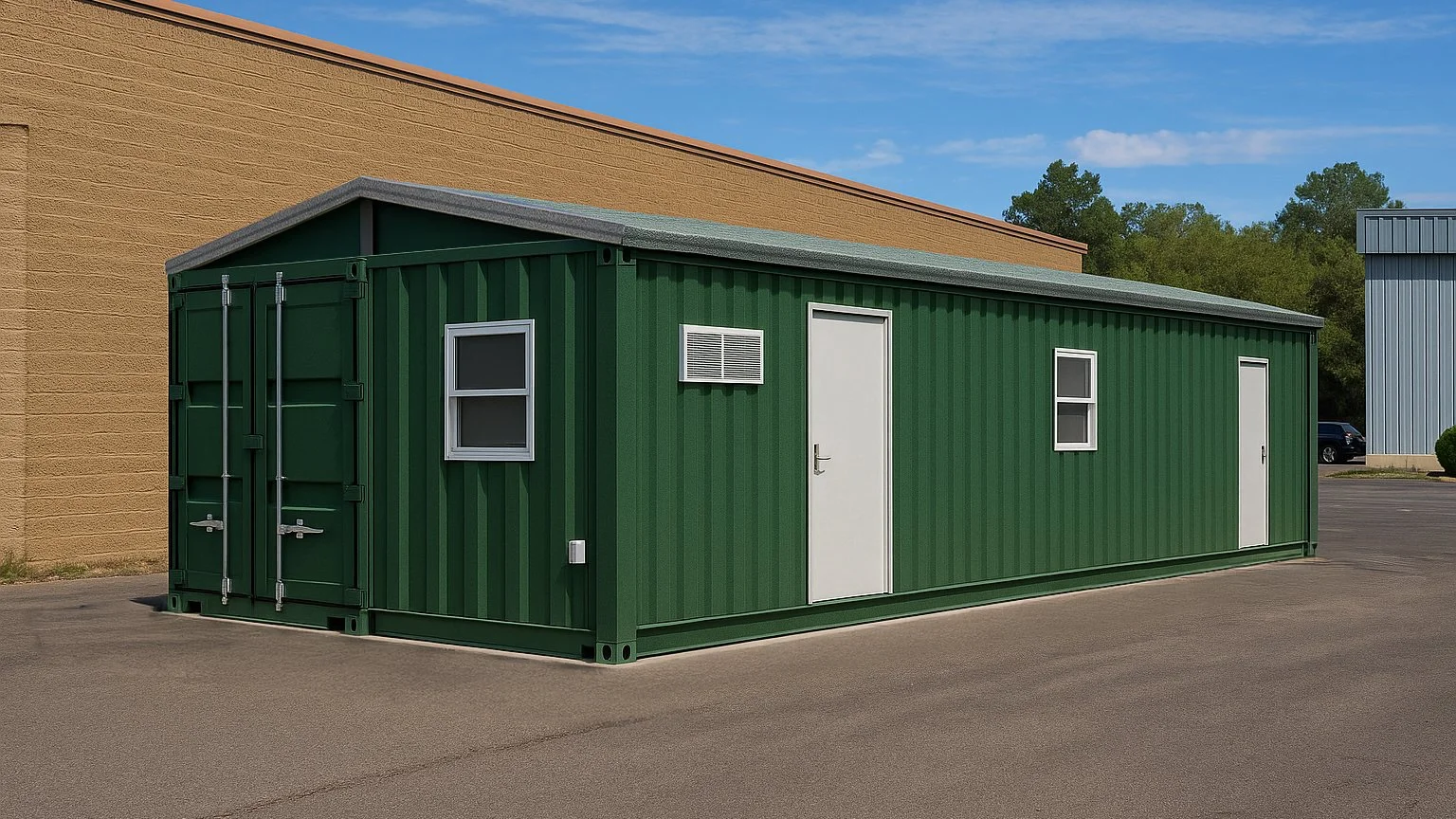
Wash facility exterior - rendering
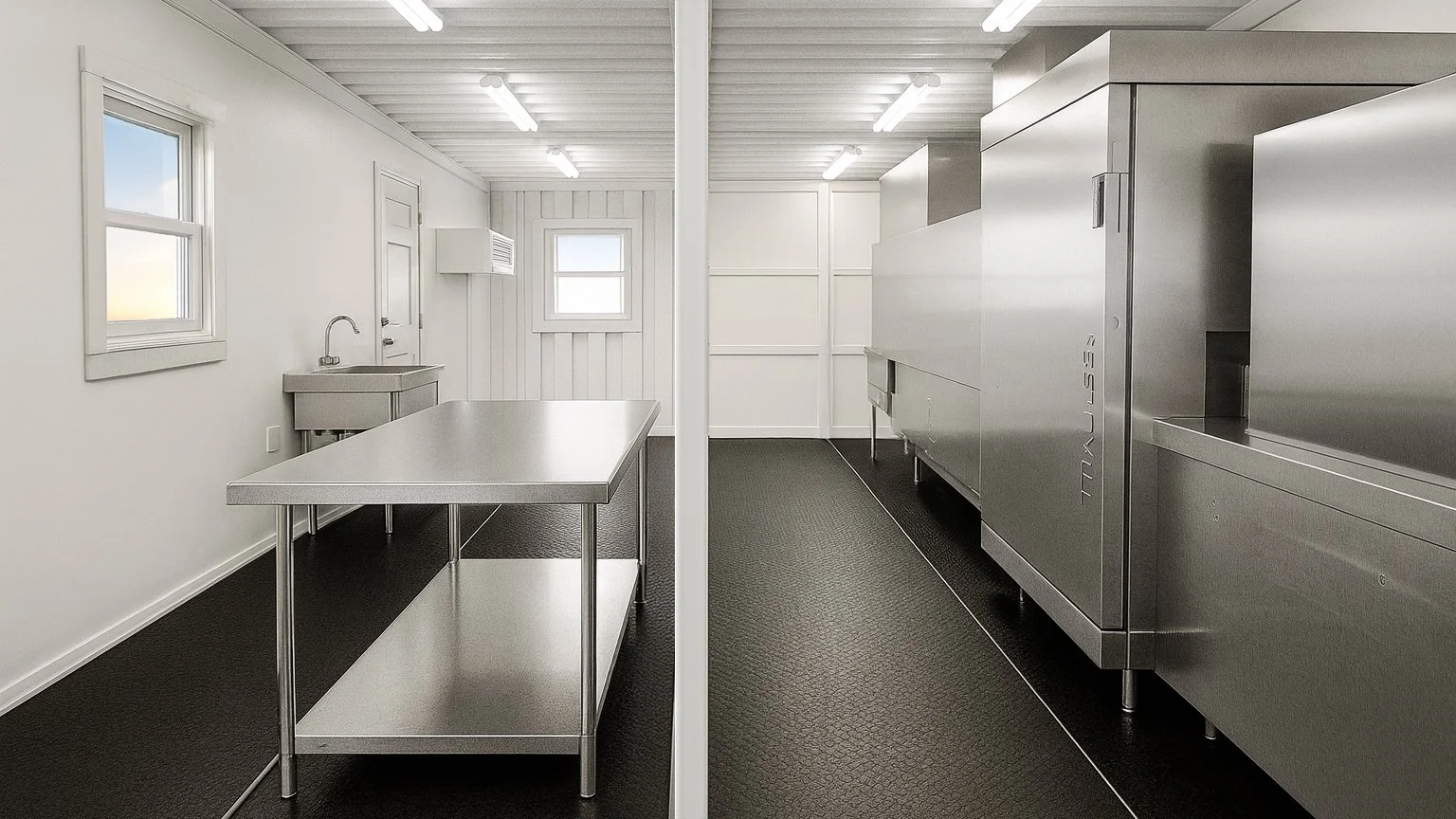
Wash facility interior - rendering
Unit economics is another metric we’re tracking as we design this system. The price per unit of a single-use item is equivalent to the price of one use of a reusable item. The washing of reusable items is a big part of that cost per use. To get the cost per wash as lean as possible, we focused on optimizing both the dish machine and the corresponding washing protocols for the reusable items.
Visitor Messaging and Signage
Reuse systems are inherently highly dependent on human behavior. Fortunately, Upstream has a behavior science expert on our team, Jennifer Carrigan, who is also leading the Grand Canyon Reuse Project.
We were also fortunate to work with a team at Penn State to conduct an on-the-ground messaging survey to test which wording most strongly indicated to visitors that they needed to return their containers. We further refined the messaging with Leave No Trace, a nonprofit with deep experience communicating with national park visitors and encouraging sustainable behavior. It was then reviewed, tweaked, and approved by our concessionaire partners as well as by the reusable container provider, deSter, who had to ensure appropriate wording would fit on the containers.
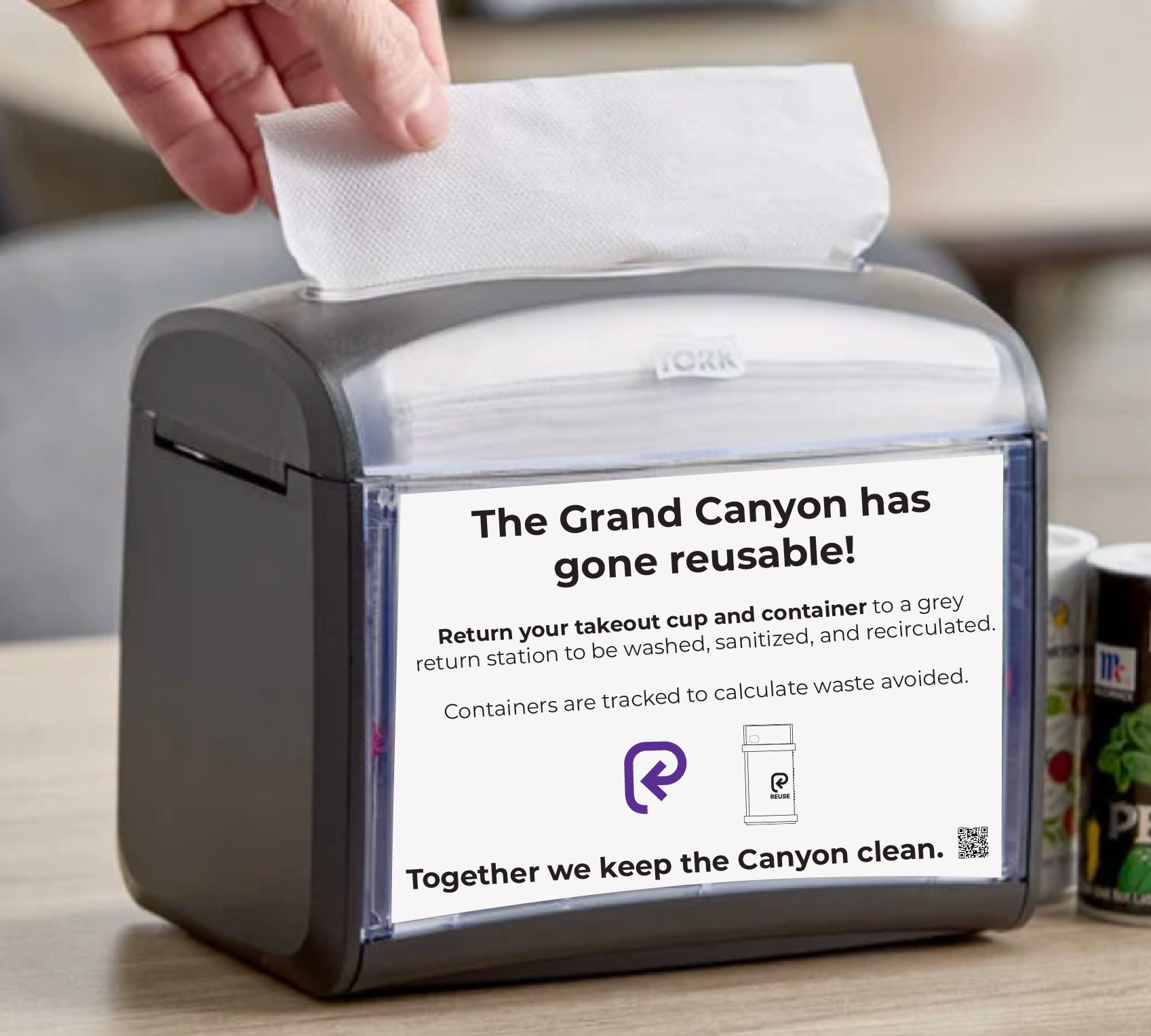
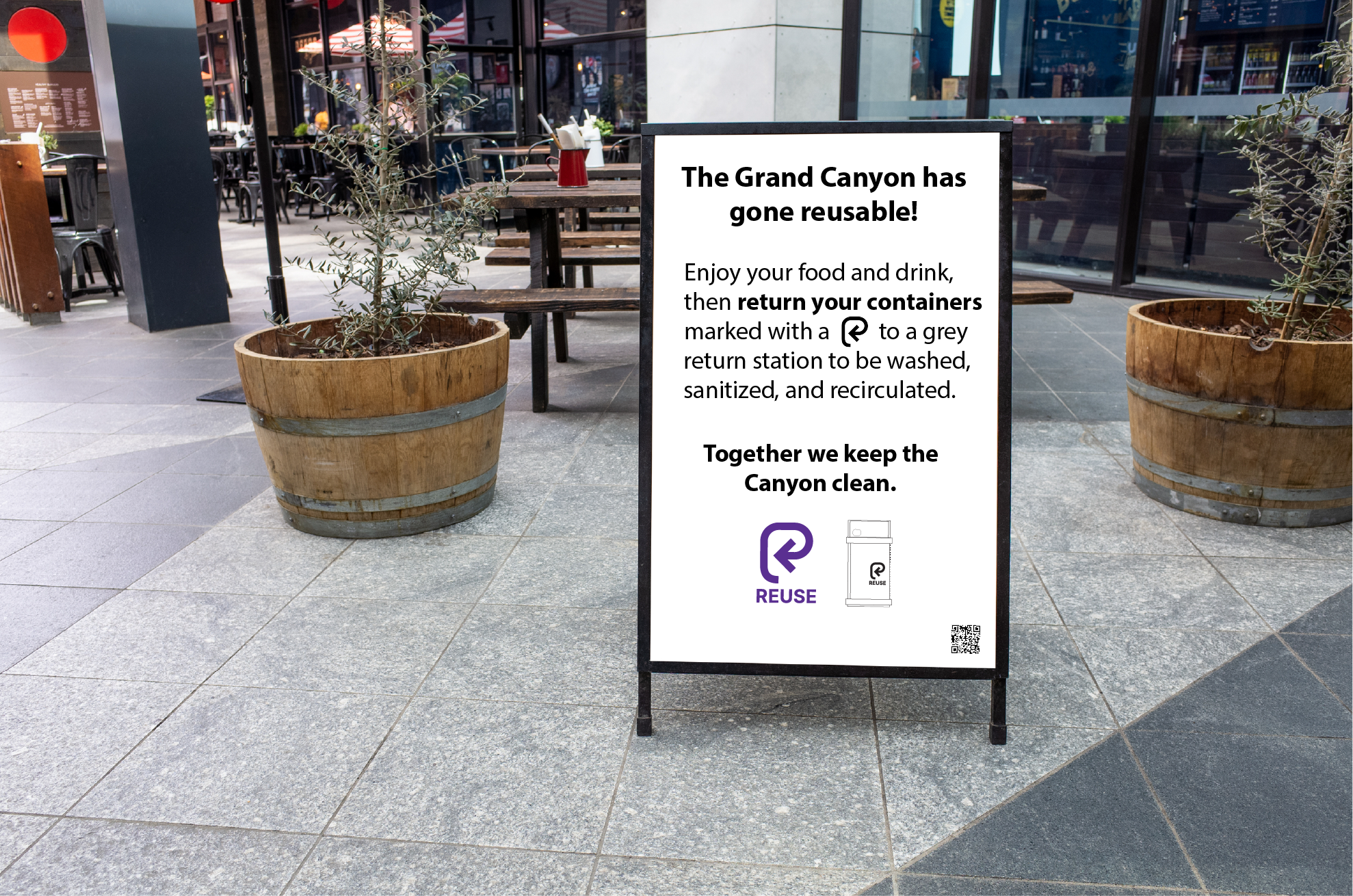
Note the new universal reuse symbol! This will be one of the first reuse systems of this scale and level of visibility to implement the standardized reuse symbol established by PR3.
Return Stations
All return stations will also be marked with the reuse symbol, along with the tested wording and a QR code that points to system impacts.
Consistent color, symbols, and messaging make participation easy. Visitors will be able to make the association that they are taking part in something larger.
Though you’ll often see bold colors to mark a reuse system and make it stand out, we landed on gray as our color, in coordination with the Grand Canyon Park Historical Architect. This color selection process involved cultural and aesthetic sensitivities which require assets placed within the park to not compete with the natural surroundings. Importantly, the color of the return stations also differentiates them from the trash and recycling containers.
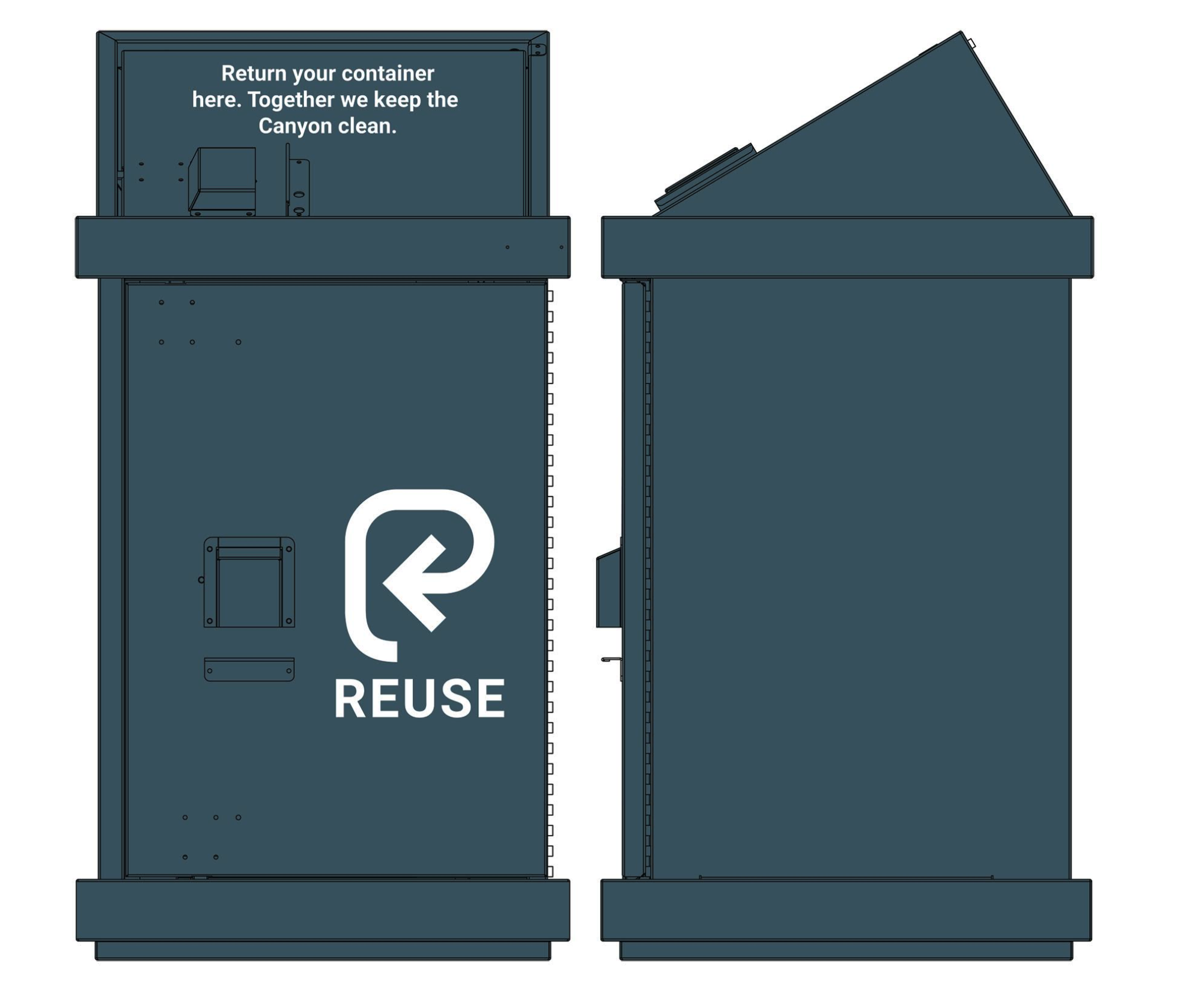
Upstream’s Head of Data Science, Madhavi Trikha, strategically mapped return station locations using an existing visitor use study to incorporate the flow of visitors throughout the canyon, their points of interest, and the current trash and recycling can placement.
These locations were then used to design an optimized collection route. Creating an efficient collection route is important so that the flow of the reverse logistics contributes to a lean cost per use. The concessionaires contributed greatly to designing this part of the project, down to the wildlife proof nature of these return stations. The chosen stations are made by BearSavers — canyon wildlife is very skilled in opening trash cans!
Containers
Through an RFI, Upstream and the concessionaires selected deSter — a company that has supported multiple large-scale reuse systems, including the music festival Tomorrowland — to provide the reusable containers.
Close to five million visitors come to the Grand Canyon each year, half of whom interact with the food and beverage system. Each of the concessionaires have unique menu offerings that change seasonally across 14 food and beverage companies. It was a big endeavor to ensure the reusable containers could meet all of these needs.
We started with a week-long virtual design sprint during which the food and beverage concessioners provided their in-depth expertise on which foodware product categories we would need, and whether or not they would require elements like vents to release steam, or ribbing on the side of the cups to make them easier to hold when hot.
Upstream’s Head of Data Science conducted single-use analytics to account for every type of foodware used; then the team worked to condense that range to a minimum number of foodware types that could be utilized in more than one scenario. Minimizing that number optimizes and standardizes reverse logistics as well as the process along the wash line.
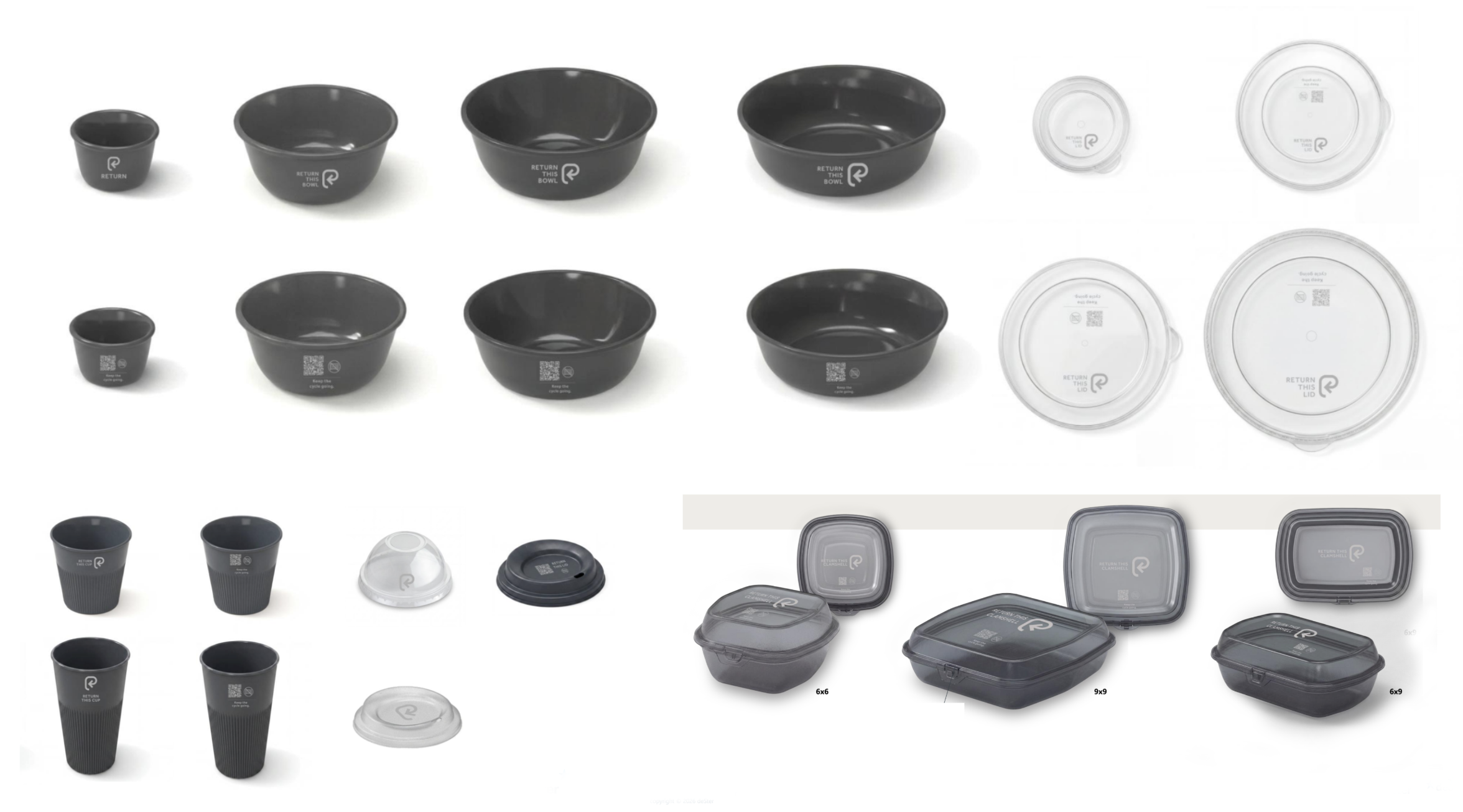
All reusable container design must strike a challenging balance: the containers must be nondescript enough that users won't take them home as souvenirs, while also being enjoyable to eat out of and clear in terms of their messaging. The containers being used at the Grand Canyon are all clearly marked with the universal reuse symbol and are the same hue of gray as the return stations for visual cohesion.
RFID Tracking System & Inventory Software
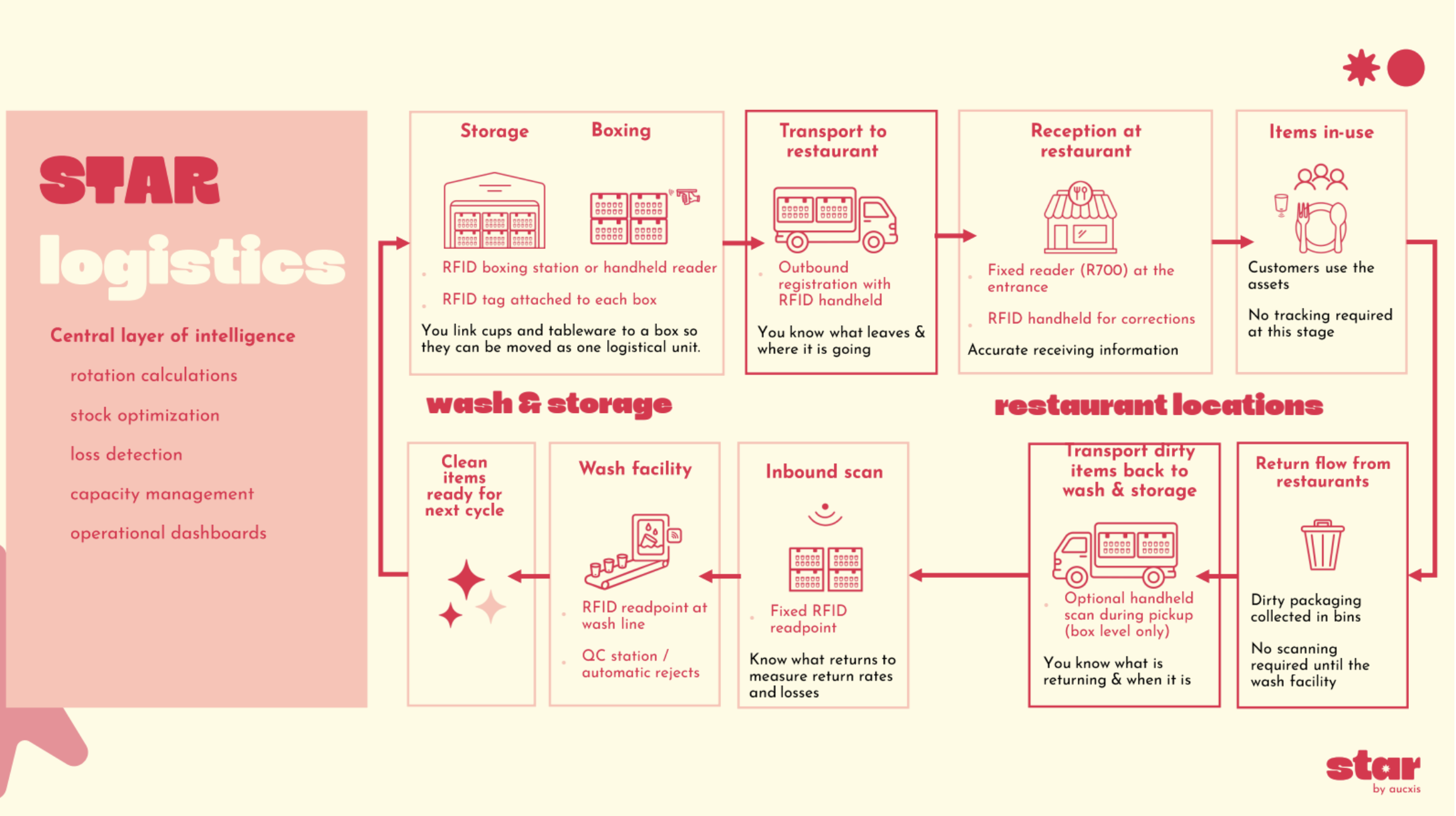
RFID tracking and software tie the whole system together. Auxcis is providing the hardware and software for inventory logistics, while Avery Dennison is providing the RFID chips and additional support.
The RFID system offers a unique opportunity for “instance level tracking,” which shows exactly where each container is located at every point in time. This optimizes logistics by showing when containers are being washed and when they're in storage, ready to be redistributed. It also allows us to track where the containers are being lost so that we can tweak return station locations or messaging in that area. And finally, RFID tracking will give us actuals regarding the environmental and financial impacts of the project, which we can calculate based on the return rates and how many uses each container gets.
Challenges & Moving Forward
All of this design and planning occurred amid the busy, dynamic, and unpredictable realities of operations at one of the largest and most popular national parks in the country.
The process has been impacted by several natural disasters occurring in the park over the last year and a half. First, wildfires destroyed much of the North Rim of the Grand Canyon in the summer of 2025, and while the reuse project is happening at the South Rim, the fires naturally strained our partners’ capacity. They also led to erosion that heightened the impact of two consecutive, devastating flash floods in Bright Angel Creek, coming down from the North Rim, in late August and early September of this year — affecting both the current aging water pipeline as well as progress on the new pipeline that was set to provide more reliable water supplies to the South Rim. The park is currently relying on conservation measures and outside water sources while repairs are made.
None of these delays, however, have deterred Upstream or our partners. The entire process has required deliberate decision making and patience. We know this will create the strongest, most resilient system in the end — which is all the more critical in light of the challenges posed by the increased risk of natural disasters in the future.
You’d think that the water challenges at the Grand Canyon may lead everyone to reconsider implementing a system that requires daily dishwashing. But because of the efficient design, dishwashing for the reuse system is projected to draw less than one percent of the park’s total water use.
With high volume reuse systems, it is common to hire out to a third-party reuse service provider for the capacity and expertise to run the system. Given the remote setting of the Grand Canyon and the long-term commitment required by this project, however, hiring a third party was not a viable solution for the concessionaires or the NPS. Instead, the concessionaires will fully own and operate the system once it is launched, giving them greater autonomy and hands-on experience to bring reuse systems to other sites where they have operating contracts.
We had no roadmap for creating this first-of-its-kind system, hence the deliberate process and partnerships with highly experienced vendors to help piece it together. Upstream and our partners feel fortunate to be able to do this groundbreaking work and lay the foundation for replication in the next national park.
Committed to Making the Vision a Reality
The role of Xanterra, Delaware North, and our NPS partners in designing and deciding on every part of the reuse system cannot be understated. All of our partners and the National Park Foundation have maintained their commitment to the project throughout daunting challenges. All want to see less litter and plastic pollution in the national parks. Both Xanterra and Delaware North have corporate waste reduction goals with set timelines. Working with Upstream has helped all parties understand that swapping one single-use item for another, such as compostables, does nothing to increase resiliency or decrease cost, waste management, or labor. They’re excited by the opportunity to contribute to the handbook that will help with replication in other national parks and to explore adding reuse systems to future contract bids.
So, while we’re still very much in the thick of this first, monumental project, we are also already applying our deep learnings to look to future projects. Working on such a large scale is undoubtedly a challenge, but it also allows us a peek at the inevitable tipping point where large vendors adopt reuse at scale and build the future we want to see.
M. Quinn / NPS