Using the Reuse/Refill Pathway in Your ISRP
Under SB 54
Reusable packaging is not just a requirement, it’s an opportunity. And you don’t have to go it alone to forge a new packaging pathway for your brand.
Introduction:
Why focus on reuse & refill?
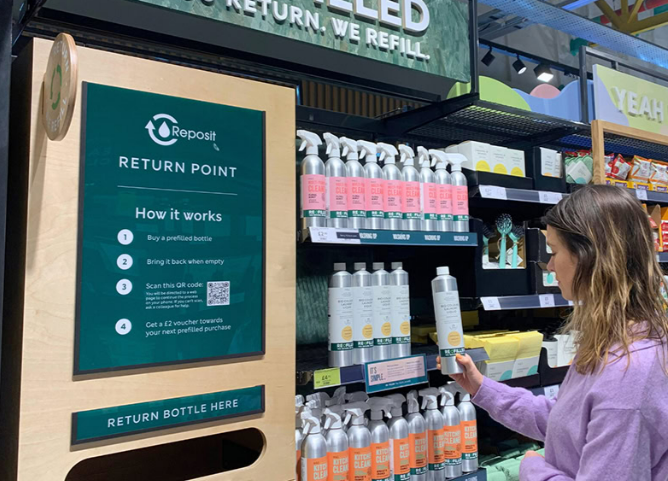
image: Reposit
Reuse is not just a requirement, it’s an opportunity. Not only do reusable packaging systems eliminate the need for producers to juggle all the other calculations and considerations of single-use — like material swapping, right-sizing, and navigating PCR content — the reuse/refill pathway pays double dividends, contributing to both the “weight” and “number of components” source reduction requirements under SB 54 while also reducing program fees.
Have questions? We’re here to help!
-
Whether it’s plastic or an alternative single-use material, packaging procurement is being affected by tariffs, rising material costs, supply chain vulnerabilities, regulatory uncertainty, and geopolitical instability. None of this is going away anytime soon.
In a reuse system, companies purchase durable reusables up front and circulate them regionally or locally. The packaging, now a reusable asset rather than a single-use liability, retains its value. The supply chain shrinks dramatically. Reuse localizes supply chains, insulates against commodity shocks, and hedges against the regulatory tightening already underway.
-
Reuse corrects market failures and increases economic efficiency by properly allocating costs. The cost of durability is built into the system design: upfront costs are higher, but they are amortized over time as the reusable packaging is used again and again. Furthermore, collection, washing, and redistribution costs are already built in as part of the business model. In a well-designed system, end of life management is also factored in from the beginning: reusable packaging is designed for maximum recyclability at the end of its useful life, and the pipeline for retired packaging to arrive at the MRF has already been established.
And perhaps the biggest draw for those seeking SB 54 compliance? Producers don’t pay program fees for reusable packaging.
-
There’s no need to build new systems from the ground up. Reuse systems and service providers represent a new and maturing sector. Reuse service providers (RSPs) deliver the services and infrastructure necessary to sort, wash, sanitize, and redistribute returnable packaging. They may also provide the on-site technology and machinery that enables refill systems. RSPs are experts in systems design and innovations that ensure efficient operations and high return rates.
The reuse service industry is particularly flourishing in California. What’s more, San Francisco and Los Angeles currently have over 100 million units of washing capacity sitting in underutilized facilities. EPR program funds will be available to help leverage this existing infrastructure and to fill in the gaps.
-
The global reusable packaging market is projected to grow from $118B in 2020 to approximately $258B by 2035 — a 118% increase. A market shift is inevitable, and consumers are here for it.
Consumers buy what producers sell them. Companies like Apple, Amazon, and Netflix — to name just a few — have entirely disrupted consumer buying experiences and formats, and the result is consumer conformity and bottom-line success. The reuse sector has the expertise in effective systems design, and corporations have some of the best marketing teams on the planet. Together, they can create easy to use systems and effective messaging that will lead to a better consumer experience and exemplary brand leadership.
Considerations for Implementing Reuse
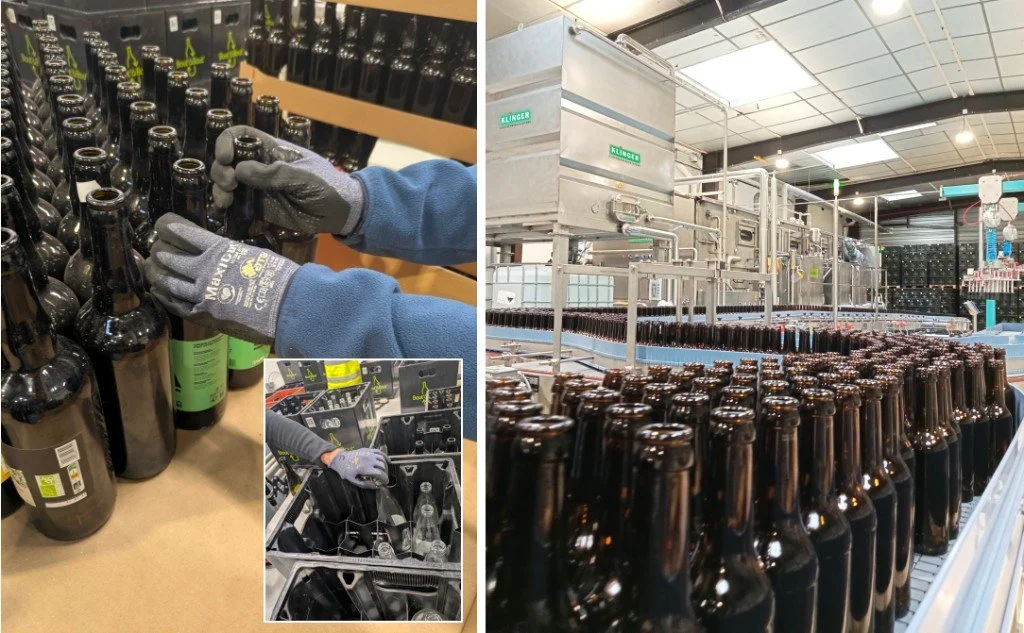
image: GO Réemploi
“How to do” reusable packaging can differ from business to business and sector to sector. Here are a few things to consider when approaching implementing a reusable packaging system.
Have questions? We’re here to help!
-
Rather, there are different considerations for any business model. For example, in France, we see two approaches to returnable packaging emerging simultaneously:
Loop focuses on helping producers of “iconic” products who already use single-use glass packaging (liquors/spirits, certain condiments and jellies, etc.) reuse their existing packaging. Producers save money on expensive packaging and there is no minimum return rate (since they were using this packaging anyway, so anything they can get back and reuse is a win). This model avoids the need for standardized packaging, which works well for brands whose packaging is iconic and are not yet prepared to standardize.
Meanwhile, GO Réemploi is working with CITEO (a packaging PRO in France) to roll out standardized reusable packaging in glass and plastic for more mass-market products. This model took two-plus years to develop, but is more streamlined and can likely cover more product types as it scales. It does require minimum return rates to ensure a high performing system.
-
Option 1: Producers integrate washing in-house in their production lines. This option is easiest for a large-scale system to streamline logistics, but not cost-effective until reuse is at full scale.
Option 2: Integrate washing with sorting, either at a MRF or via a reuse service provider. This is often the easiest turnkey solution — someone collects, sorts and cleans the packaging, and then returns it to producers or co-packers to fill. This option can offer revenue diversification for MRFs if integrated with recycling systems.
Option 3: Wash at collection sites. This option is often most cost effective for restaurants and other foodservice operations, though it can also work well for products packaged back-of-house at a retailer.
-
For example, if lightweighting or switching to a non-plastic format has left a primary package too flimsy for e-commerce, a reusable mailer — which is inherently sturdy and protective — can ensure it arrives intact. That’s two source reduction pathways in one transaction!
Reusables don’t always have to be recyclable. The lifecycle impact reductions from reuse can still outweigh those from single-use even when the reusables are not recycled and the single-use packages are. For example, reusable flexible pouches have been successfully used in the UK and are now also available elsewhere in Europe. Another common example, of course, is ceramic dishware for onsite dining.
Bulk refill machines (for refill-on-the-go/in-store) can be paired with returnable packaging, and emerging models in Europe are doing this in ways that allow branding to stay on the package the consumer brings home, offering continued in-home branding. Emerging refill machine models are also designed to eliminate in-store mess and prevent consumer tampering.
Start Here
-
![Returnable packaging sorting station]()
Reuse Basics
At its core, reusable packaging is about the system in which it operates.
-
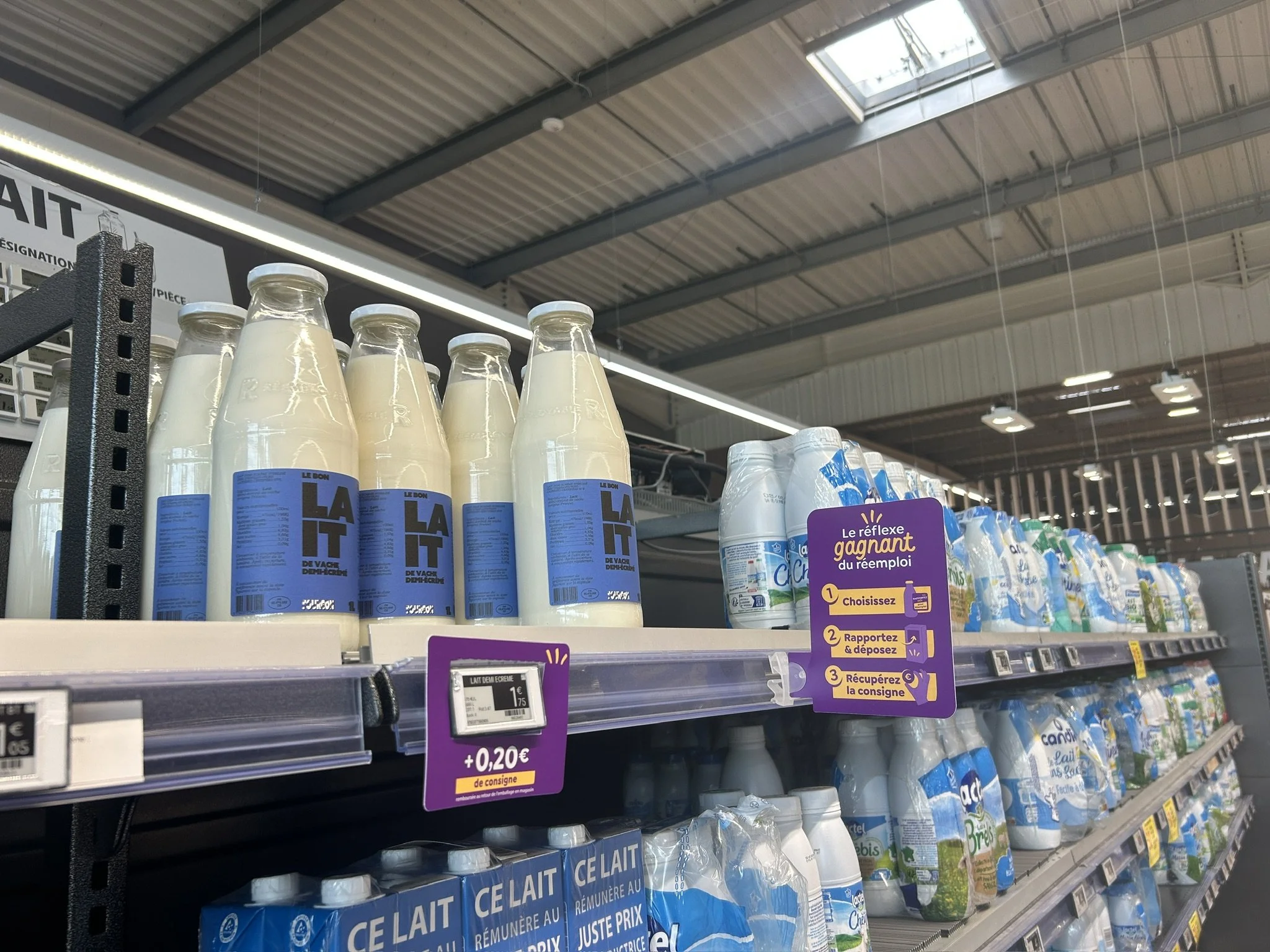
![Refillable glass milk bottles on a grocery store shelf]()
Reuse & Refill in Packaging EPR
Understanding What Qualifies - And What Doesn’t
What do we really mean by “reuse and refill,” and how can it be implemented to ensure packaging reduction?
-
![infographic showing reuse and recycling pathways]()
What does an interoperable reuse system look like?
SB 54 offers a golden opportunity to set up systems in which reuse and recycling can work in parallel and share infrastructure. Here’s what that looks like.
-
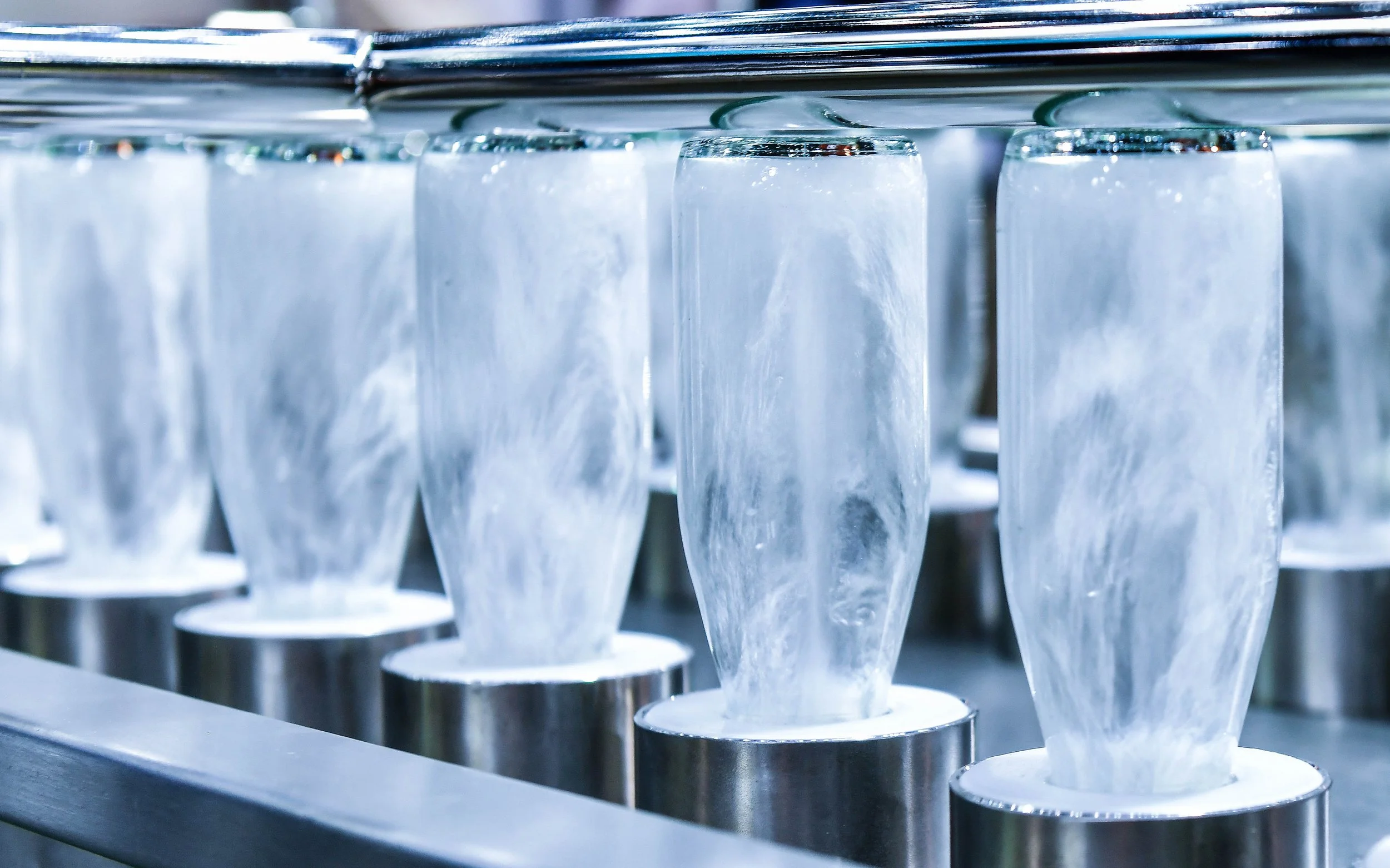
![glass bottles being commercially washed]()
From waste to value: The power of reusable packaging
Tosca
Tim Debus, President & CEO of the Reusable Packaging Association, explains how reusable packaging is transforming supply chains.
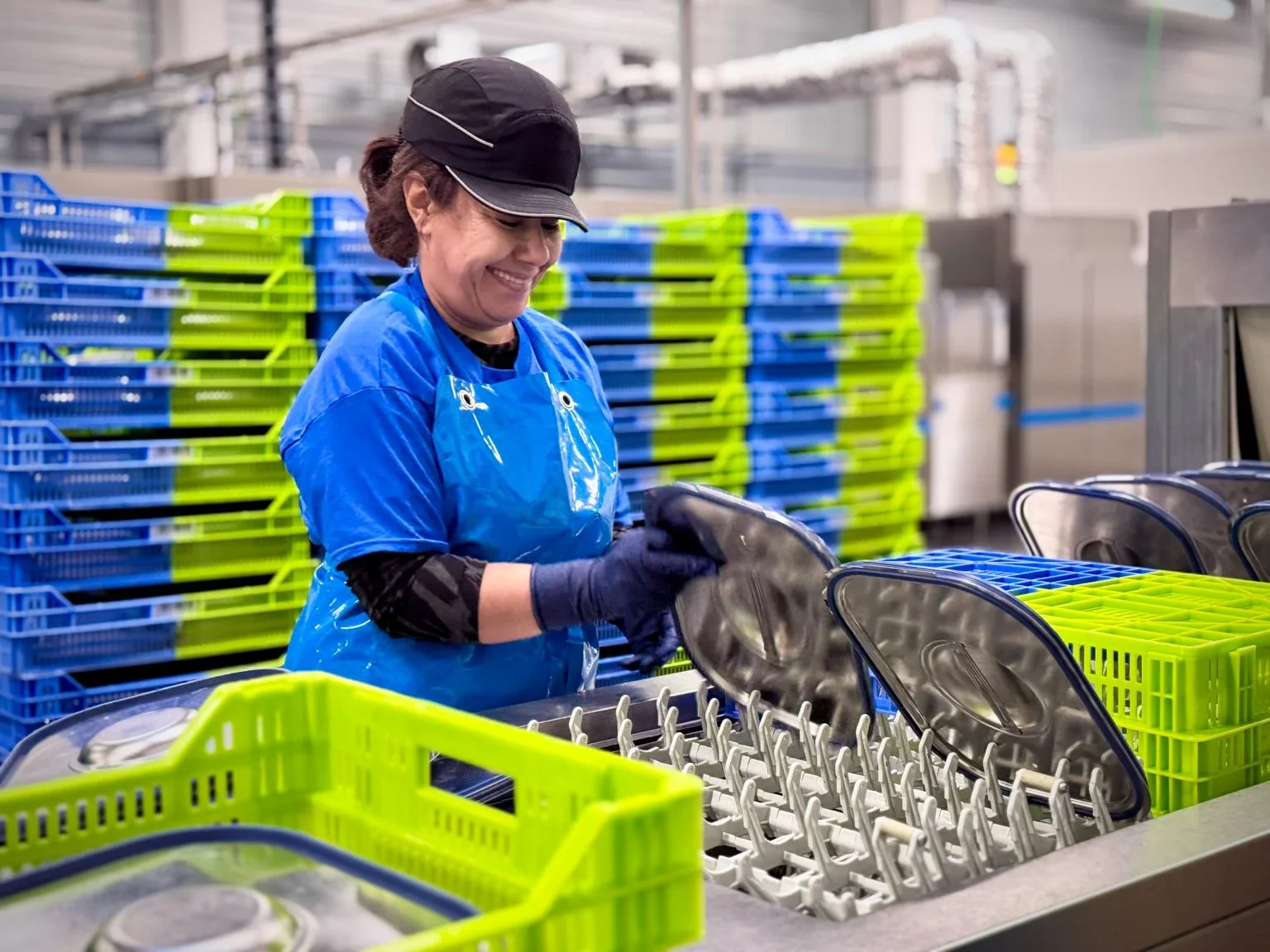

The Case for Reuse
-
![Refillable glass L'Oreal bottles]()
Reframing Reuse as a Business Opportunity
The reuse/refill requirement in SB 54 is an opening to lead the way in packaging and design innovation that will elevate the consumer experience and catalyze widespread adoption and normalization of reuse. (image: L’Oreal)
-
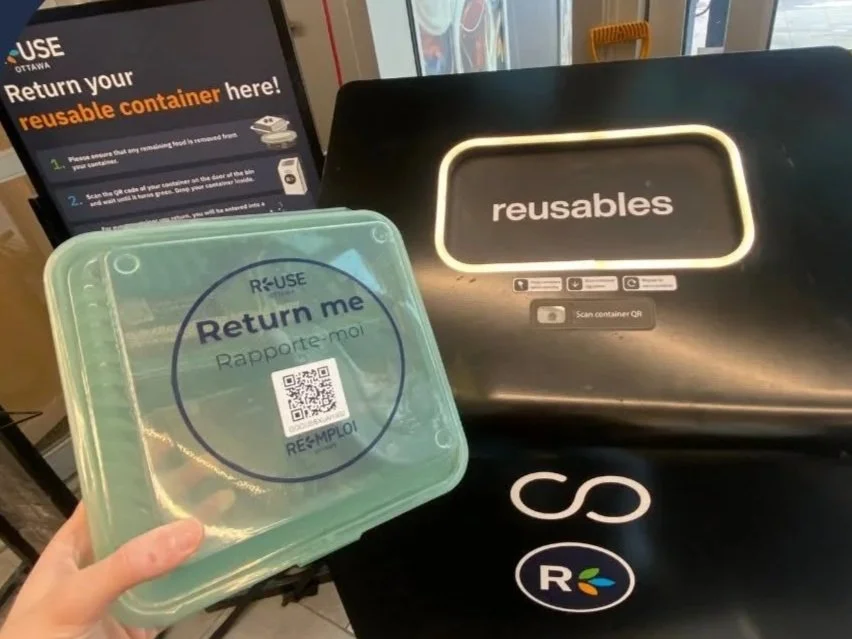
![Container being returned to a bin marked "reusables"]()
Consumers are Ready for Reuse
Consumers did not ask for disposable packaging, therefore companies shouldn't wait for consumer demand to switch to reusable formats. Even so, the body of evidence that consumers are ready and waiting for reusable packaging is continuously growing. (image: Reuse Ottawa)

Operationalizing Reuse
-
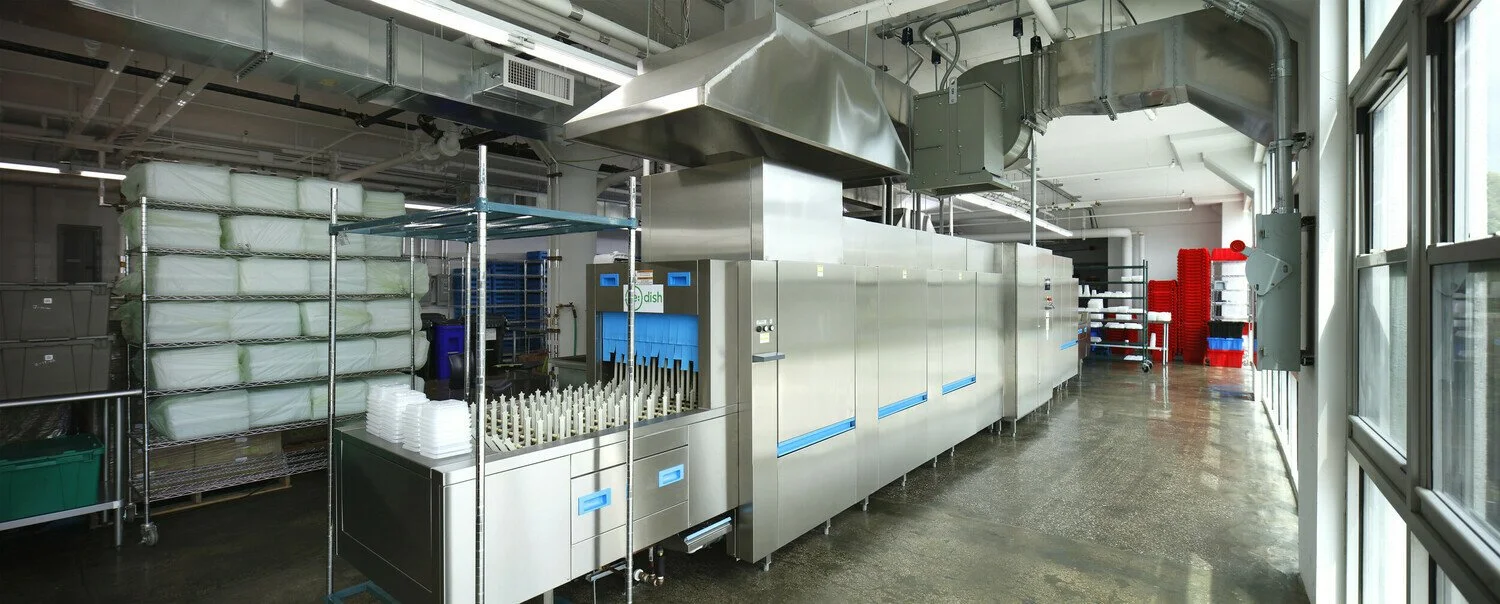
![industrial dishwashing facility]()
Reusable Packaging Design Handbook
US Plastics Pact
Insights from testing reuse in the field, allowing organizations to draw from existing research, pilot programs, and practical experience to adapt approaches to advance viable reuse systems. (image: Re:Dish)
-
![honey jars being refilled in a commercial factory]()
Unlocking a Reuse Revolution: Scaling Returnable Packaging
Ellen MacArthur Foundation
A study mapping the route to scaling returnable packaging.
-
![Reusable returnable shipping box on a conveyer belt]()
How not to fail: Avoiding 10 common pitfalls when scaling circular business models
Ellen MacArthur Foundation
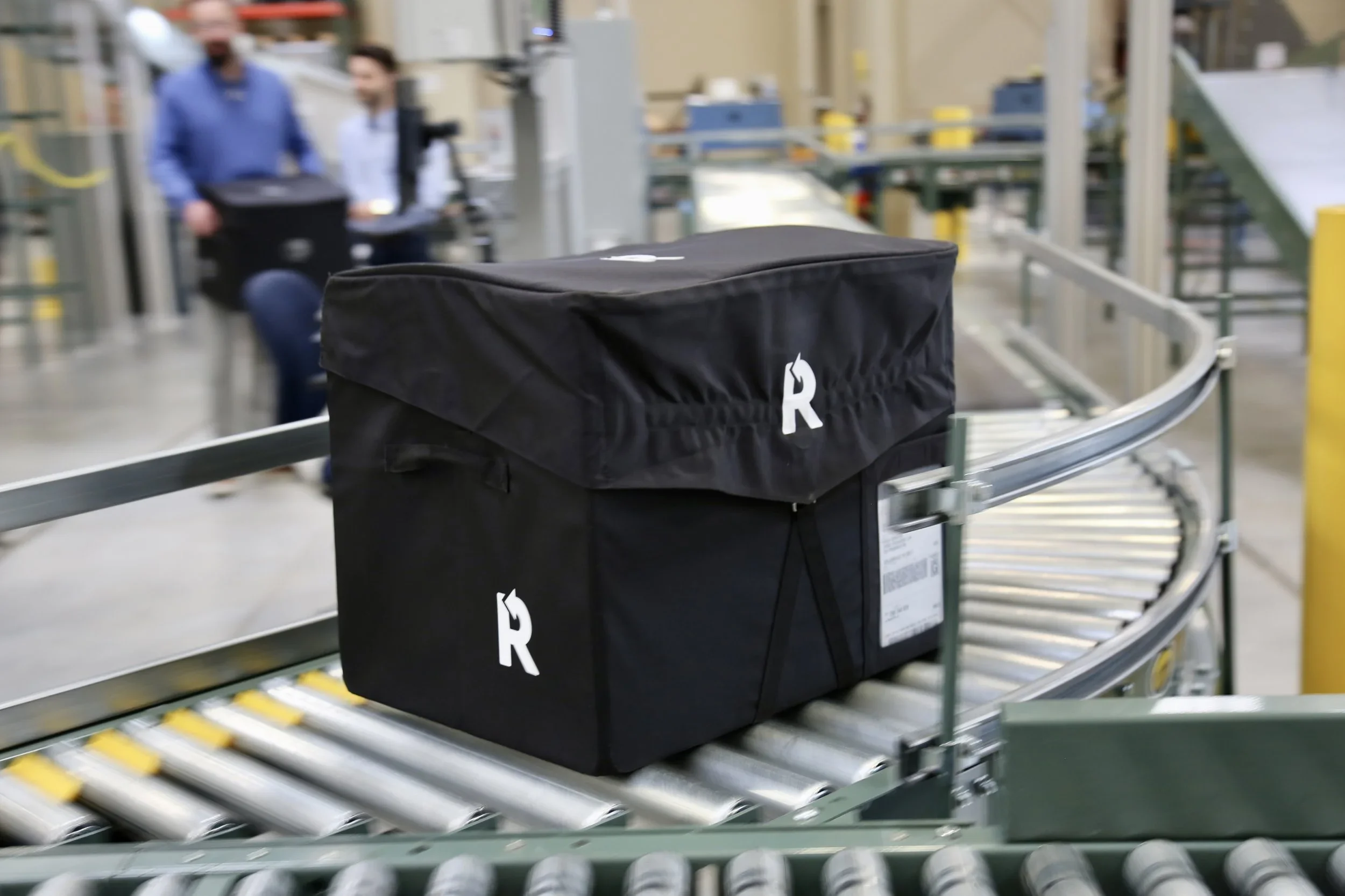
Taking lessons from the experience of leading companies, this report points to practical steps that businesses can use to avoid common pitfalls and enable circular business models to reach transformative scale. (image: Returnity)
-
![close shot of industrial dishwashing mechanism]()
Getting Ready for Reuse in Retail
Closed Loop Partners
An analysis of the 10 consumer product categories that account for over 90% of purchased packaged goods sold in U.S. grocery retail stores, with the top five retail categories best suited for near-term adoption of reuse — including food, personal care, home care, and more.
-
![a woman inspecting a cleaned dish]()
Framework for Scaling Reuse
Sustainable Packaging Coalition
This Framework outlines how companies should think about and approach reusable packaging in the long term to create successful systems. (image: Eternity)
-
![conveyer belts of reusable bottles being sorted]()
Reuse & Refill Playbook for Retailers
OPLN
Comprehensive guidance on priority product categories, including snacks, beverages, pet food, personal care, and household cleaners, that are well positioned to lead the transition towards reuse and refill solutions in major retailers. (image: Eternity)
-
![RFID chip]()
Enabling Technologies for Reuse Systems
We’ve entered a new age of reuse — new technologies are enabling efficiencies, insights, and data that simply weren’t available to businesses before. A two-part series by Upstream exploring how technology is woven throughout reuse systems.




CPG Businesses Leading with Reuse & Refill Models
These are just a few examples of companies that offer reusable packaging or refillable formats for some or all of their products.
-
![pain reliever refill bottle]()
Cabinet Health
-
![Perfume bottle being refilled]()
L'Oreal
-
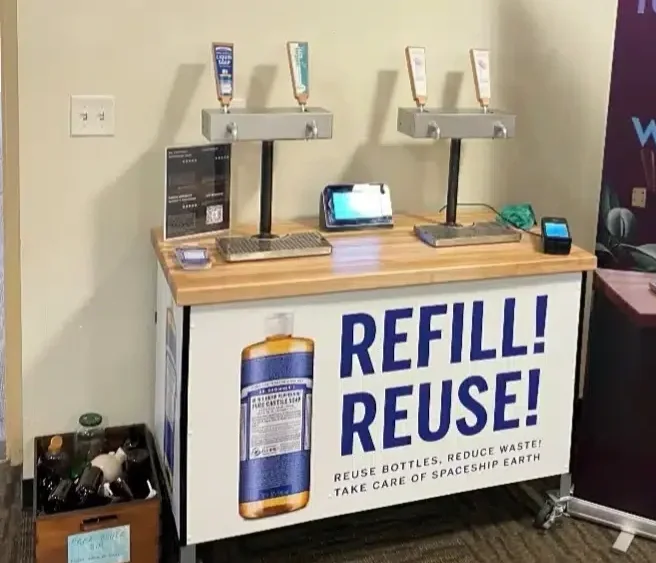
![Dr. Bronner soap refill station]()
Dr. Bronner's
-
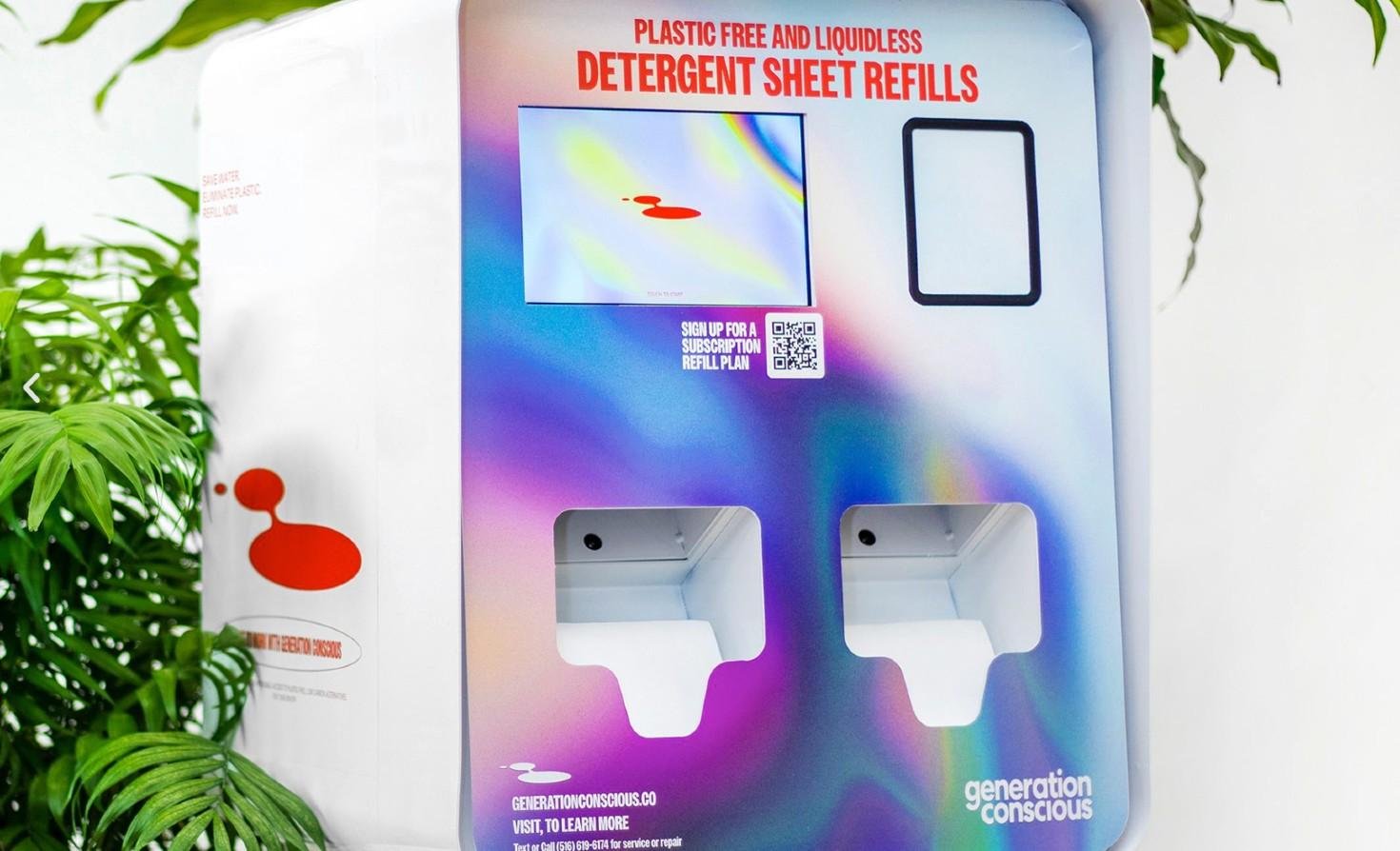
![Laundry sheet vending machine]()
Generation Conscious
-
![reusable shipping box on a conveyer belt]()
Returnity
-
![Double Mountain Brewing bottle line]()
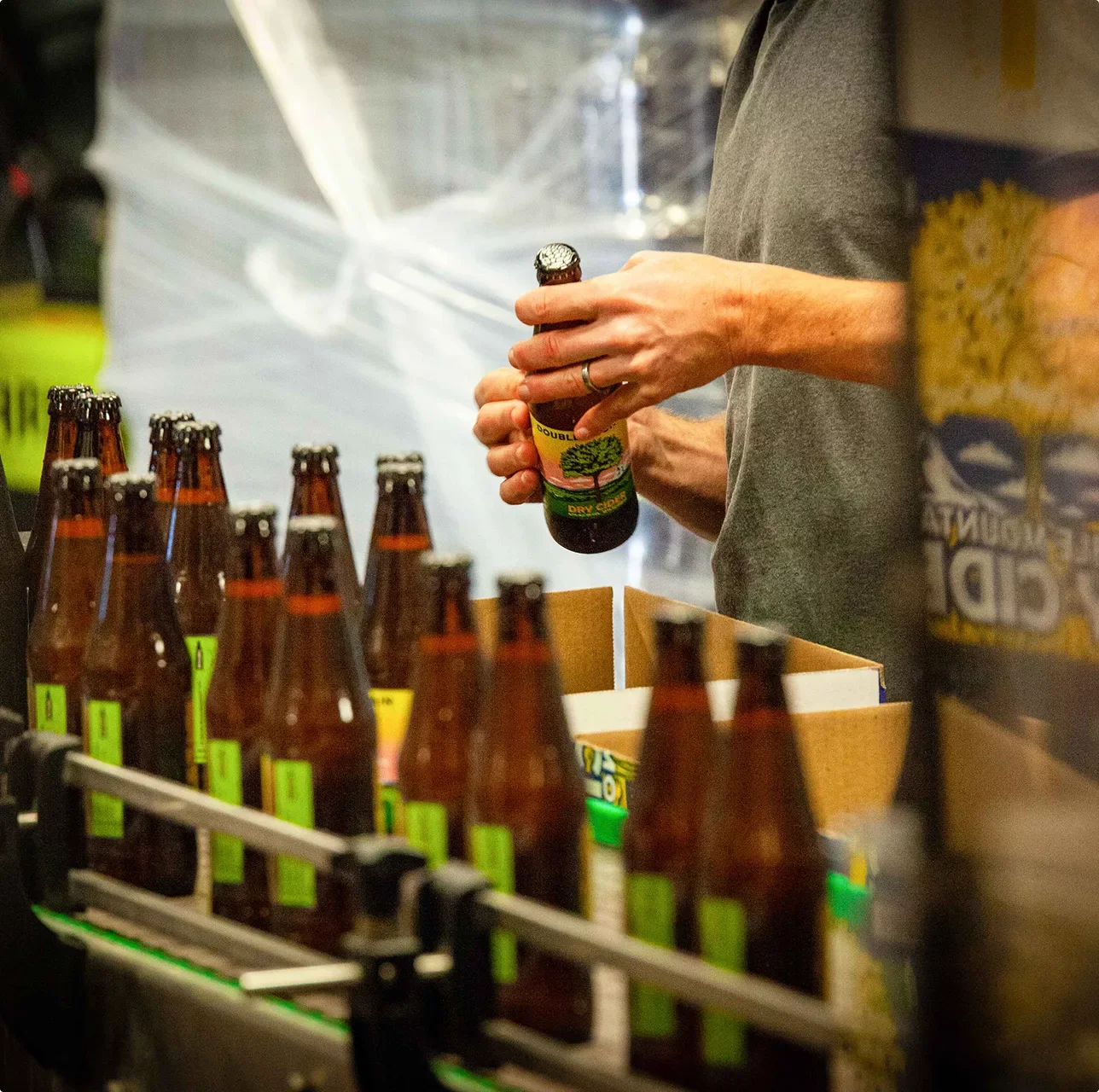
Double Mountain Brewing
-
![glass milk bottles on a production line]()
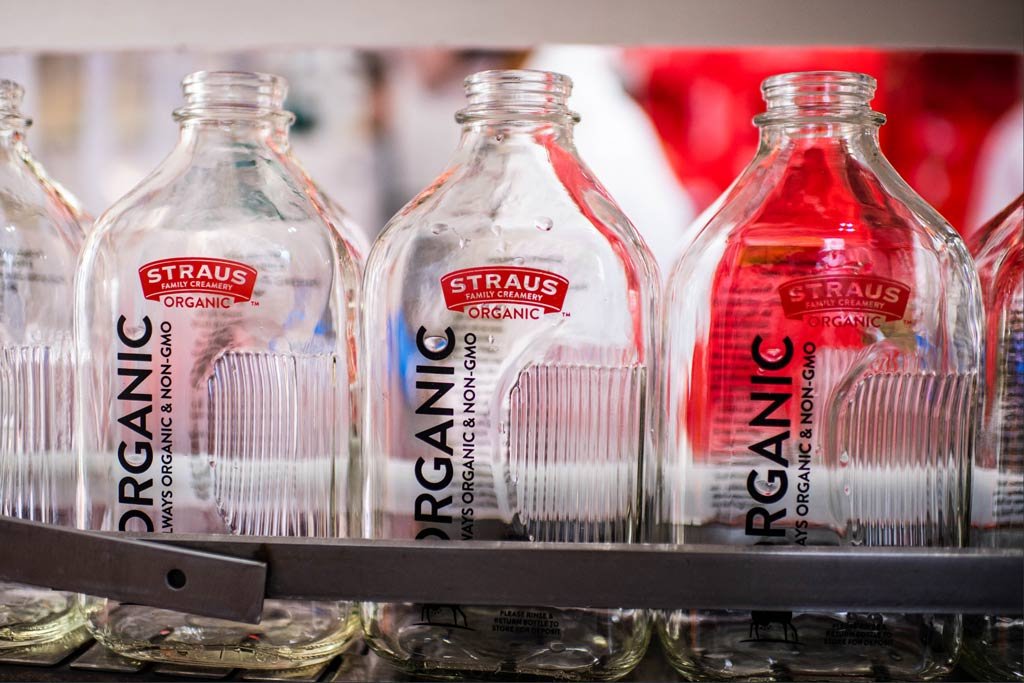
Straus Family Creamery


Packaging & Logistics Providers
You don’t have to go it alone! In addition to the reuse service providers who specialize in foodware for events but are ready and equipped to consult on CPG logistics, these companies focus on reuse services for CPG.
-
![Refill station]()
Wonderfil
California-based and ready to help with SB 54 compliance via retail refill systems.
-
![Reusable blue bag labelled Curbside Reusable Return bag]()
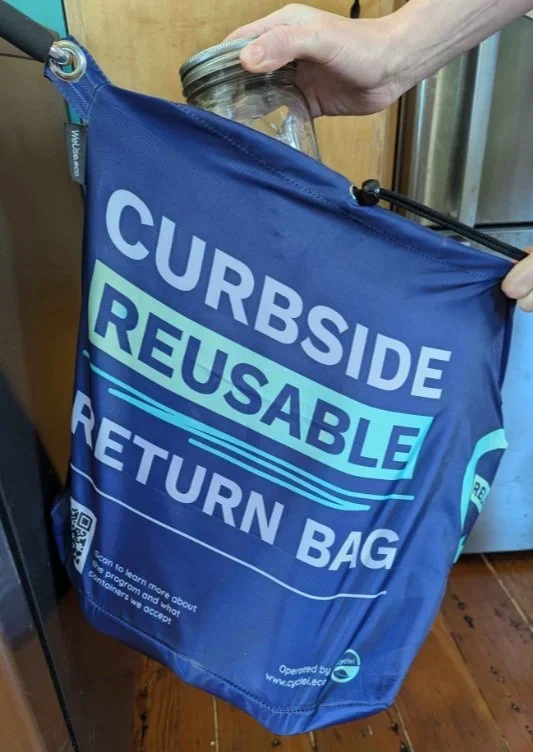
Cyclei
California-based curbside collection of reusable packaging.
-
![reusable produce containers next to a return bin in a grocery store]()
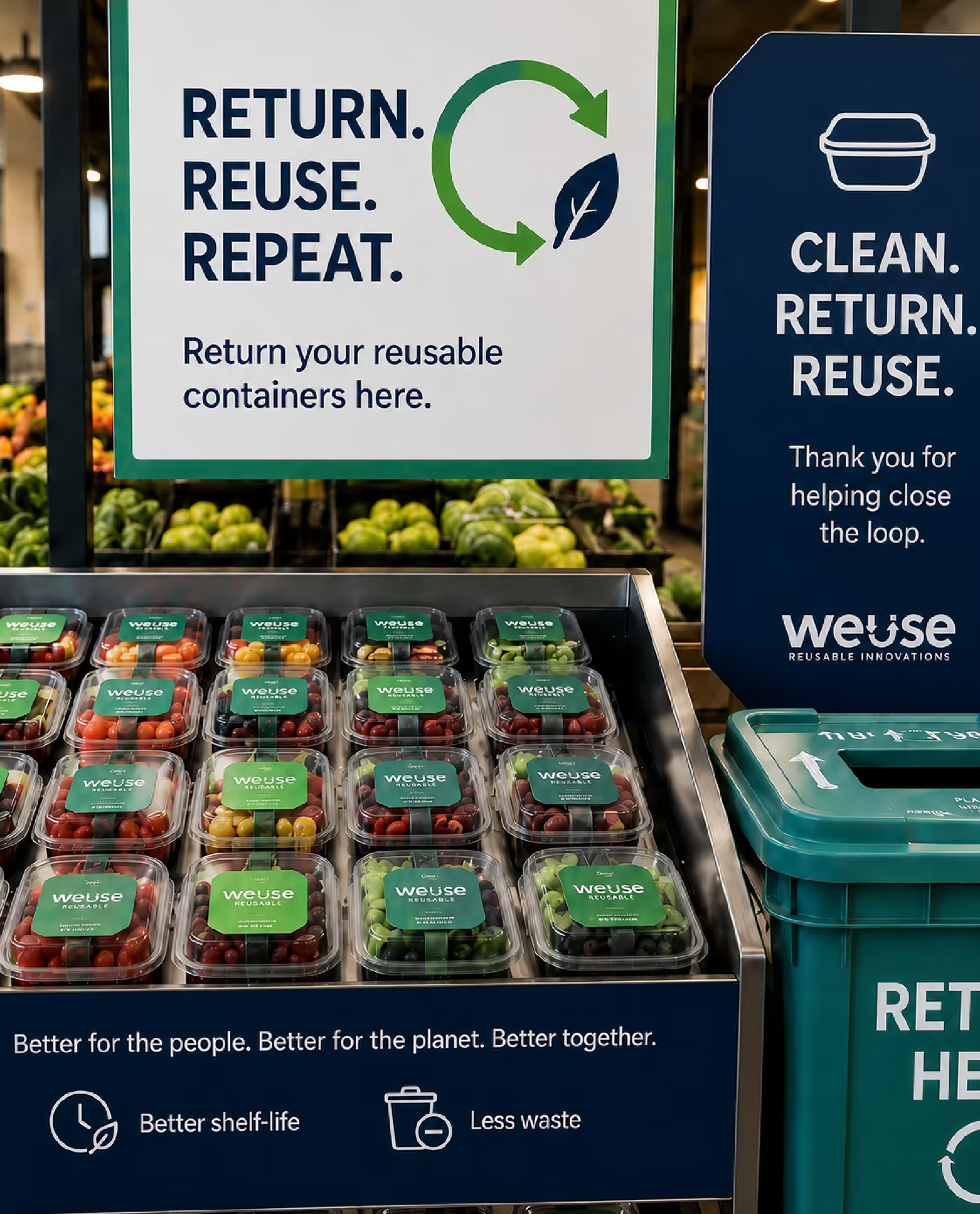
WeUse
California-based reuse-specific packaging, products, messaging and behavior systems.
-
![a collection of refillable stainless steel containers]()
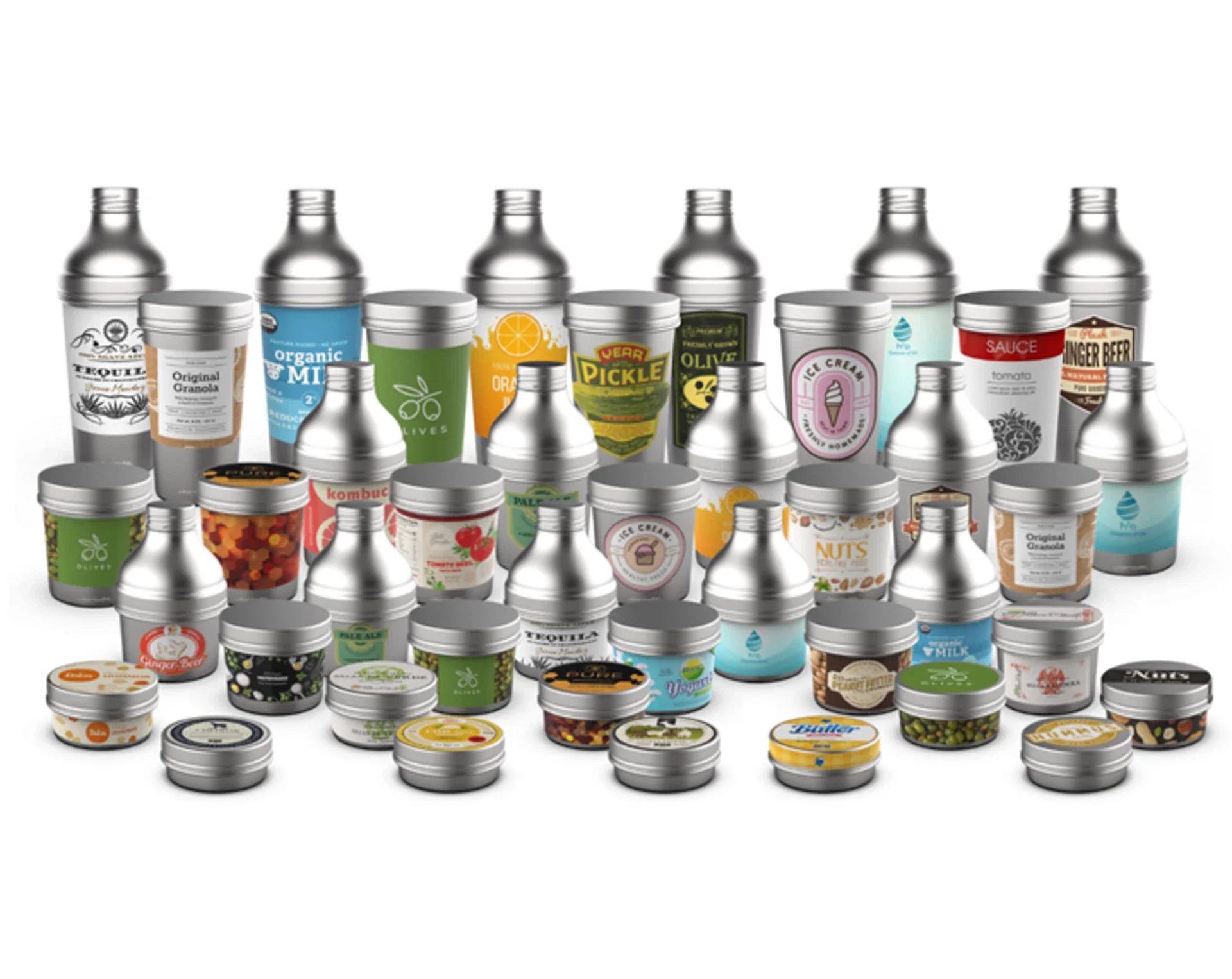
Jarbot
Reusable packaging system designed to scale for consumer packaged goods.
-
![row of unbranded jam jars]()
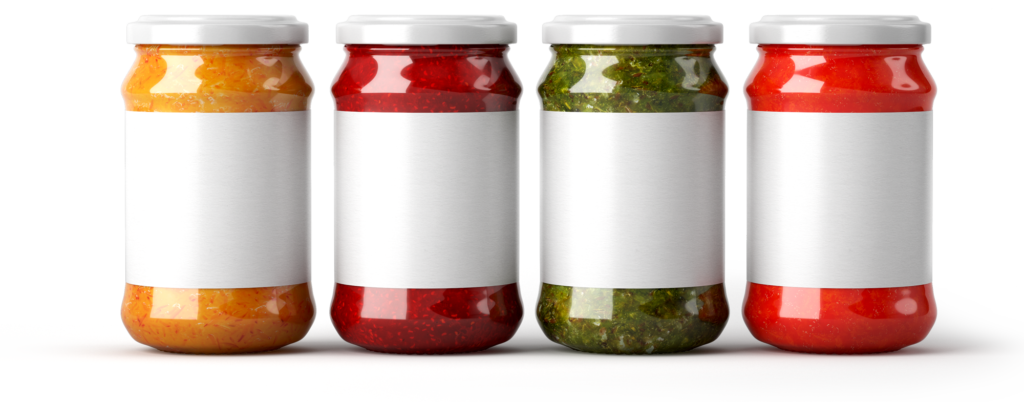
Circulr
Infrastructure, technology, and partnerships to enable CPG reuse.
-
![Refillable reusable household goods and return station at a grocery store]()
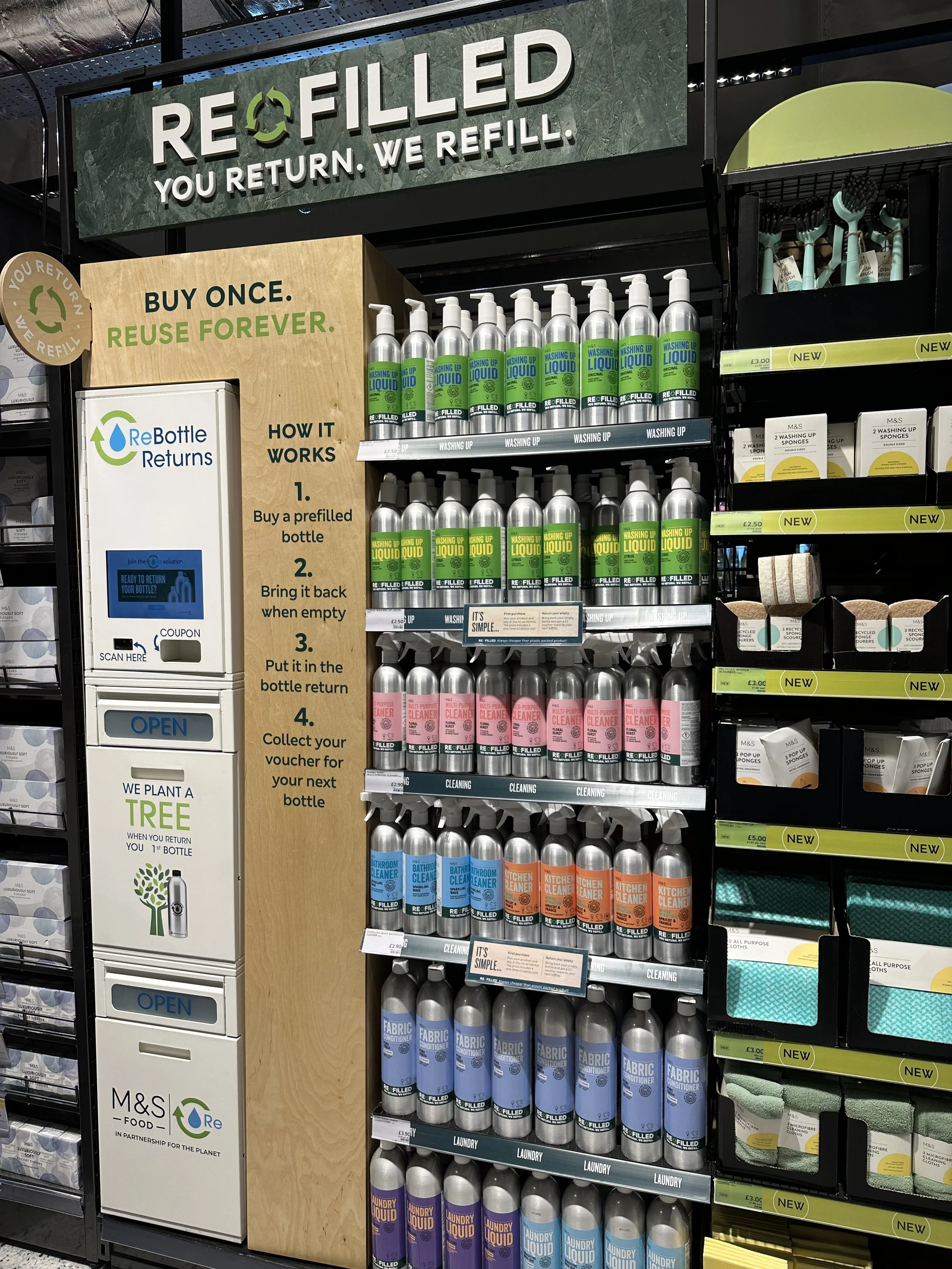
MOSAIC / 99Bridges
California-based modular technology and systems to circulate and track reusable packaging.
-
![reusable glass wine bottle]()
Revino
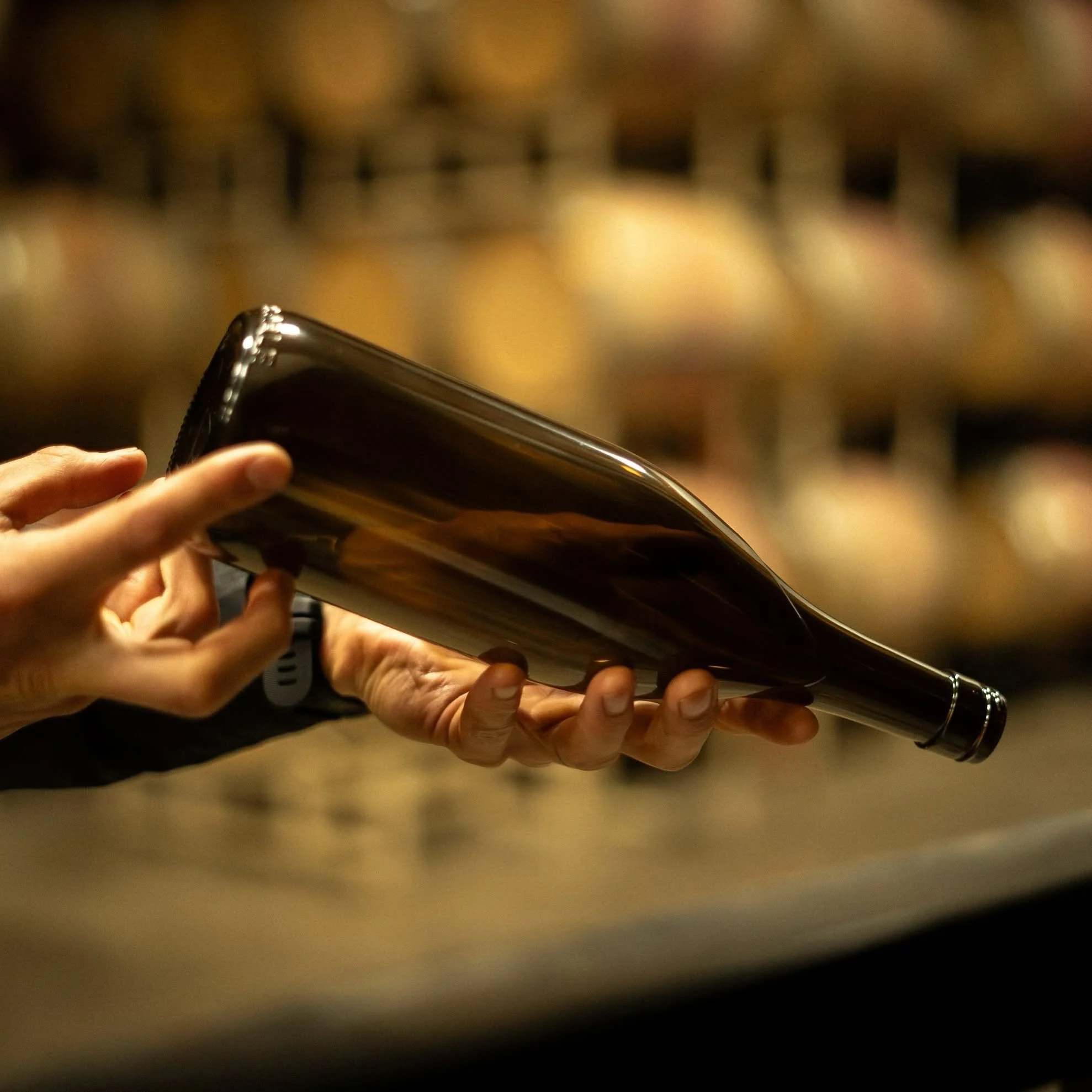
Provides logistics and packaging for wine producers. Currently establishing a bottle washer processing facility in Lompoc, CA that will have capacity to wash 10 million glass beverage containers for reuse annually.

For an expanded catalog of reuse innovators, systems and service providers operating worldwide (beyond just the CPG sector) to provide ways for consumers to obtain products in returnable, reusable, or refillable packaging, visit Upstream's Business Directory.
Reusable Transport Packaging
Reuse systems for transport packaging are an established and proven way to reduce producer packaging. As the vanguards of reusable packaging, these back-of-house systems have firmly established the business case, and many dozens of case studies prove the cost savings and short ROI. Find suppliers and learn more from the Reusable Packaging Association.
“Reusable transport packaging is a $120B global market as of last year's forecast, and … it’s growing at a faster rate than your general total packaging market. So we can surmise that there is more interest in reusable packaging.”
-Tim Debus, Reusable Packaging Association
The Reuse Industry is Growing and Standardizing
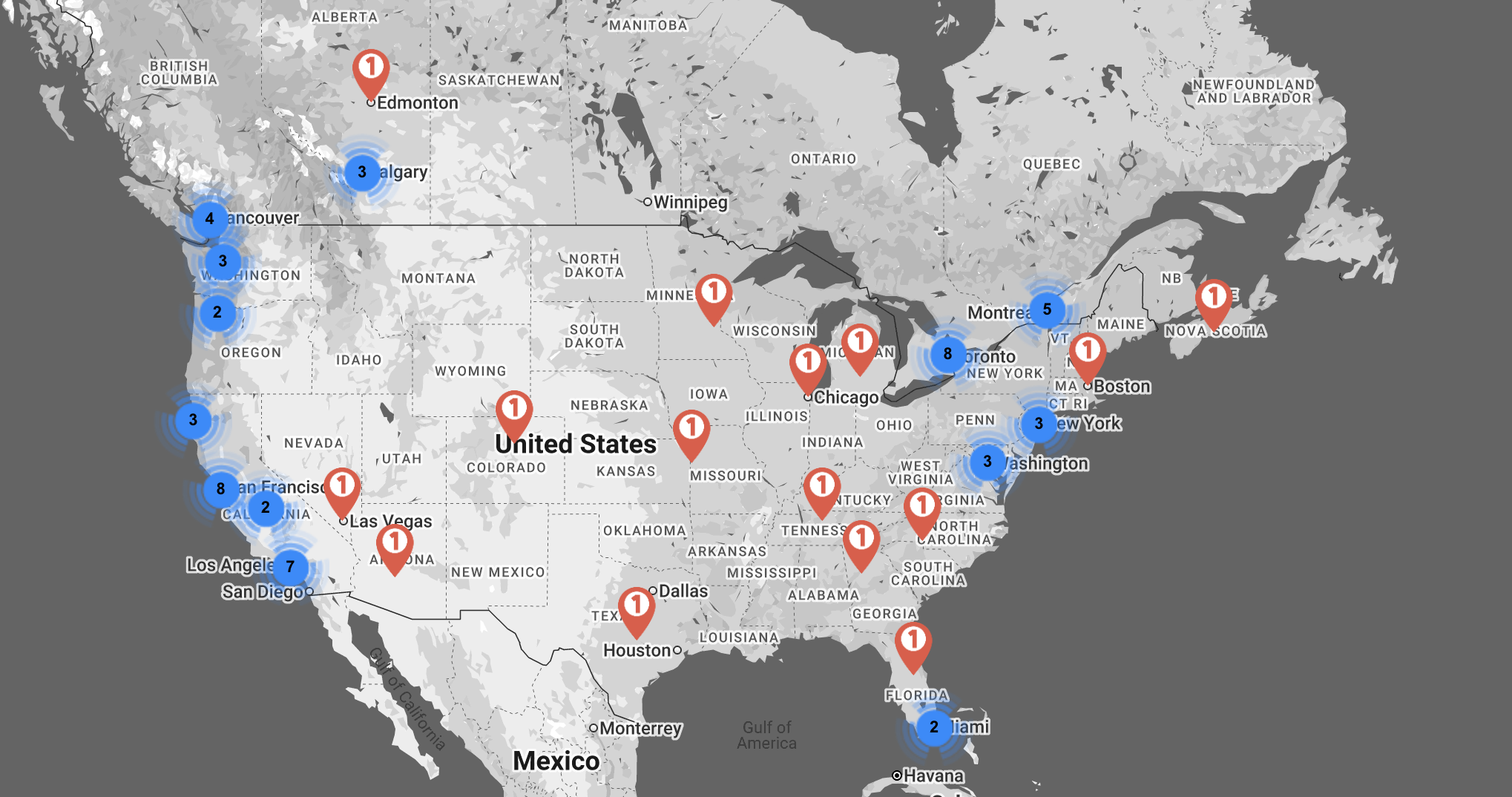

15+ reuse service providers offering services in 21+ states
Services: washing, transport, storage, reverse logistics, data/tracking, POS integration
ANSI-accredited Reusable Packaging System Design Standards are guiding the path to global interoperable reuse systems.
Universal reuse symbol and criteria for use are creating a standardized, recognizable way to unify the reuse industry.
125+ reuse laws covering approximately 30% of the population across the U.S. and Canada illustrate irreversible momentum and normalization.
The global reusable packaging return systems market is projected to reach $209.8B by 2036. The time is now to join the economic currents.
Join us at PACK EXPO!
The pressure to package smarter has never been greater. Rising costs, tightening regulations, and growing consumer demand for sustainable practices are pushing companies to rethink how they move goods through their supply chains. The Reusable Packaging Pavilion is where that rethinking becomes action, bringing together the world's largest exhibition of product solutions, industry experts, and education sessions all under one roof at PACK EXPO International, October 18 – 21, Chicago, Illinois.
New in 2026 is the first-ever Next-Gen Reuse Corridor, a dedicated section inside the Reusable Packaging Pavilion focused on reuse and refill solutions for primary or consumer packaging applications. This is more than a showcase. It is a look at where the industry is heading.