
Learn
The Role of Reuse in a Just Transition
A series exploring what it means to co-create an equitable reuse economy.
In the context of global environmental and social challenges, the concept of a just transition has emerged as essential for guiding the shift toward a low-carbon, sustainable economy. As industries face increasing pressure to reduce carbon emissions and achieve climate goals, the reuse economy is gaining momentum as a key solution. A just transition focuses on creating opportunities for the most impacted communities, ensuring that new green jobs are accessible, and providing support for workers displaced by the shift to sustainable practices.
Through this series, we turn to just transition principles to explore how reuse fits into or is in conversation with every element of a just transition — sharing case stories in multiple formats, from interviews to videos to written pieces.
We intend for this series to be an ongoing and inclusive conversation. If you have any thoughts or would like to contribute, please reach out to us—and feel free to carry on the conversation in the comments below each post.
By building reuse into the framework of a just transition, we can create a more inclusive, sustainable future that benefits both people and the planet.
Just Transition Principles
There is no one set of authoritative principles guiding a Just Transition, and groups working within this framework define these principles in the context of the on-the-ground work they are doing. All, however, agree on the overall parameters, summarized here:
A just transition shifts from an extractive, exploitative economy to one that regenerates and repairs.
A just transition supplies everyone an equal right to what they need to thrive (not just survive), including safe, healthy, dignified jobs, housing, education, food, air and ecosystems—from within their own communities/on their tribal lands.
A just transition means sustainable development happens parallel to and in support of recovery and maintenance of a clean environment and healthy communities (no “sacrifice to a greater good”).
A just transition emphasizes solidarity, cooperation, interconnectedness, and social and public production.
A just transition brings all stakeholders to the table from the start, putting the most impacted first (e.g. people before corporations, historically marginalized before historically privileged communities). By hearing all voices, solutions can be both ancestral and science based.
A just transition creates governance structures and economies that allow for self determination, robust local communities and social safety nets, and ecological responsibility.
Just Transition Series Articles
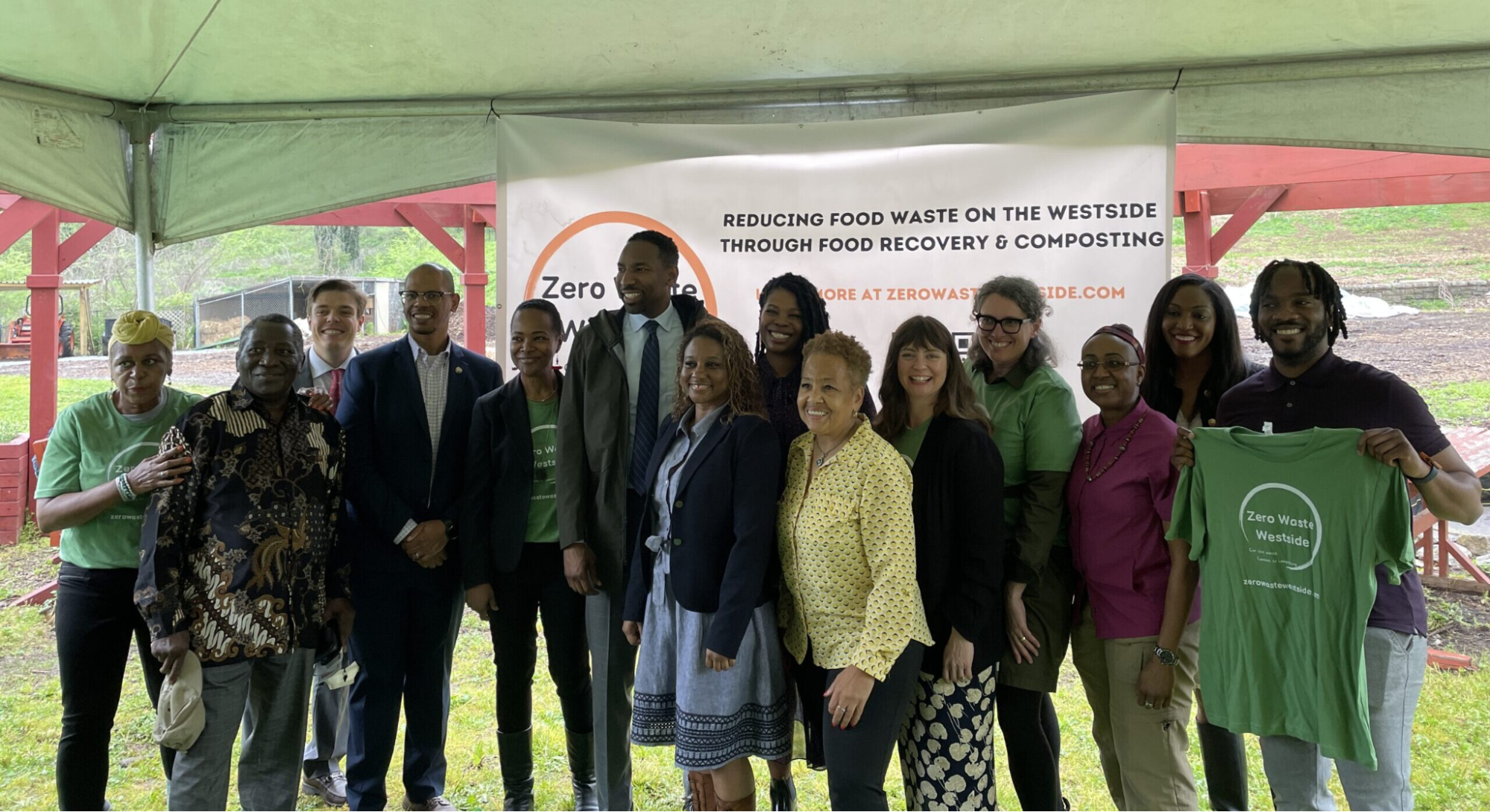
Sustain Our Future Foundation's community benefits agreement model aligns circular procurement with mechanisms that improve material conditions for communities, not just materials flows within supply chains.
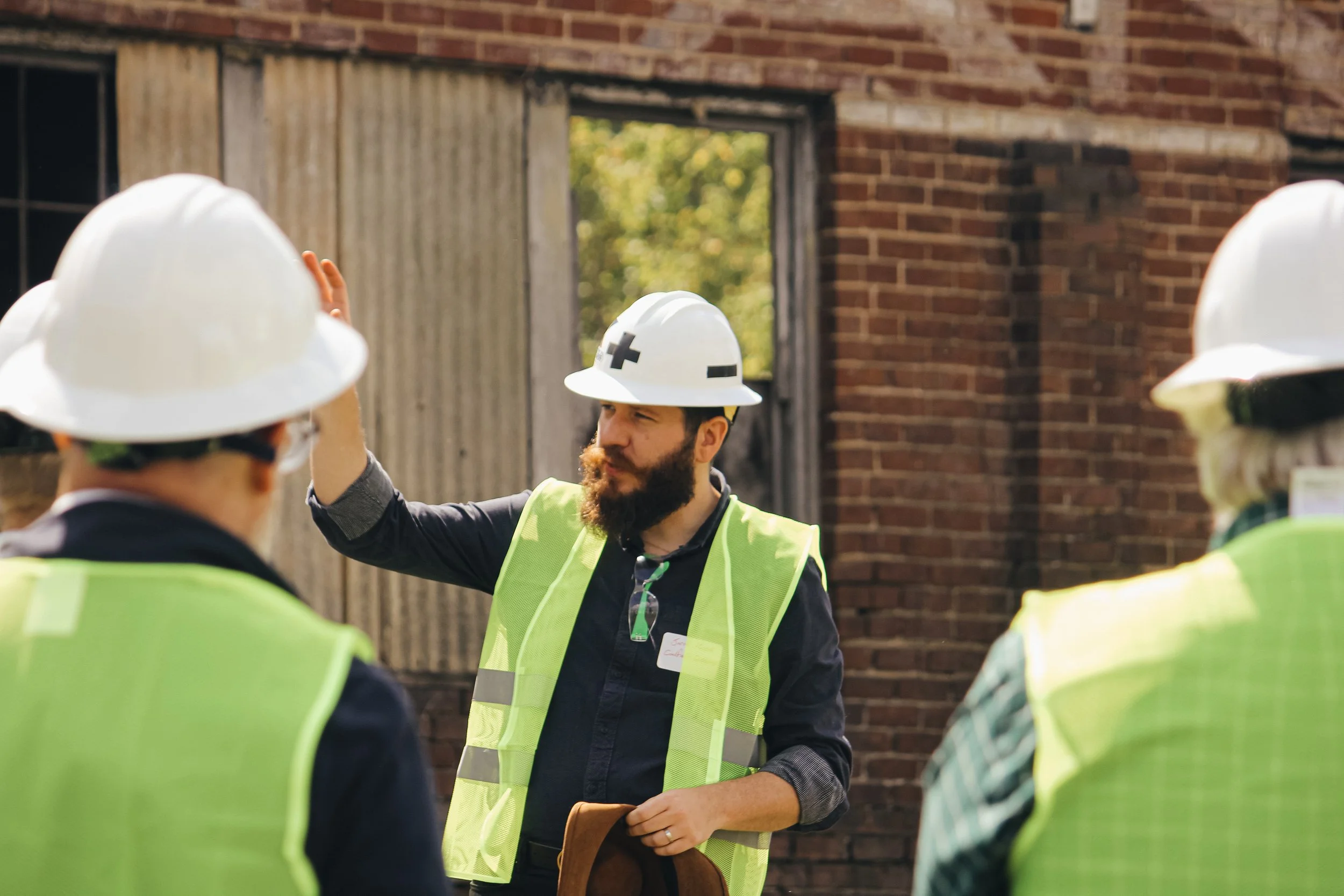
Coalfield Development’s work on a just transition to a viable, sustainable economy in Appalachia. Part of Upstream’ s series on Reuse and a Just Transition.
image: Coalfield Development
Exploring the role of policymaking as it relates to a just transition to a reuse economy.

Lessons in applying Just Transition principles to Upstream’s reuse project at Grand Canyon National Park.
image: National Park Service

Part III of a conversation with Jo Banner and Frankie Orona, an installation of Upstream’s project exploring the role of reuse in a Just Transition.
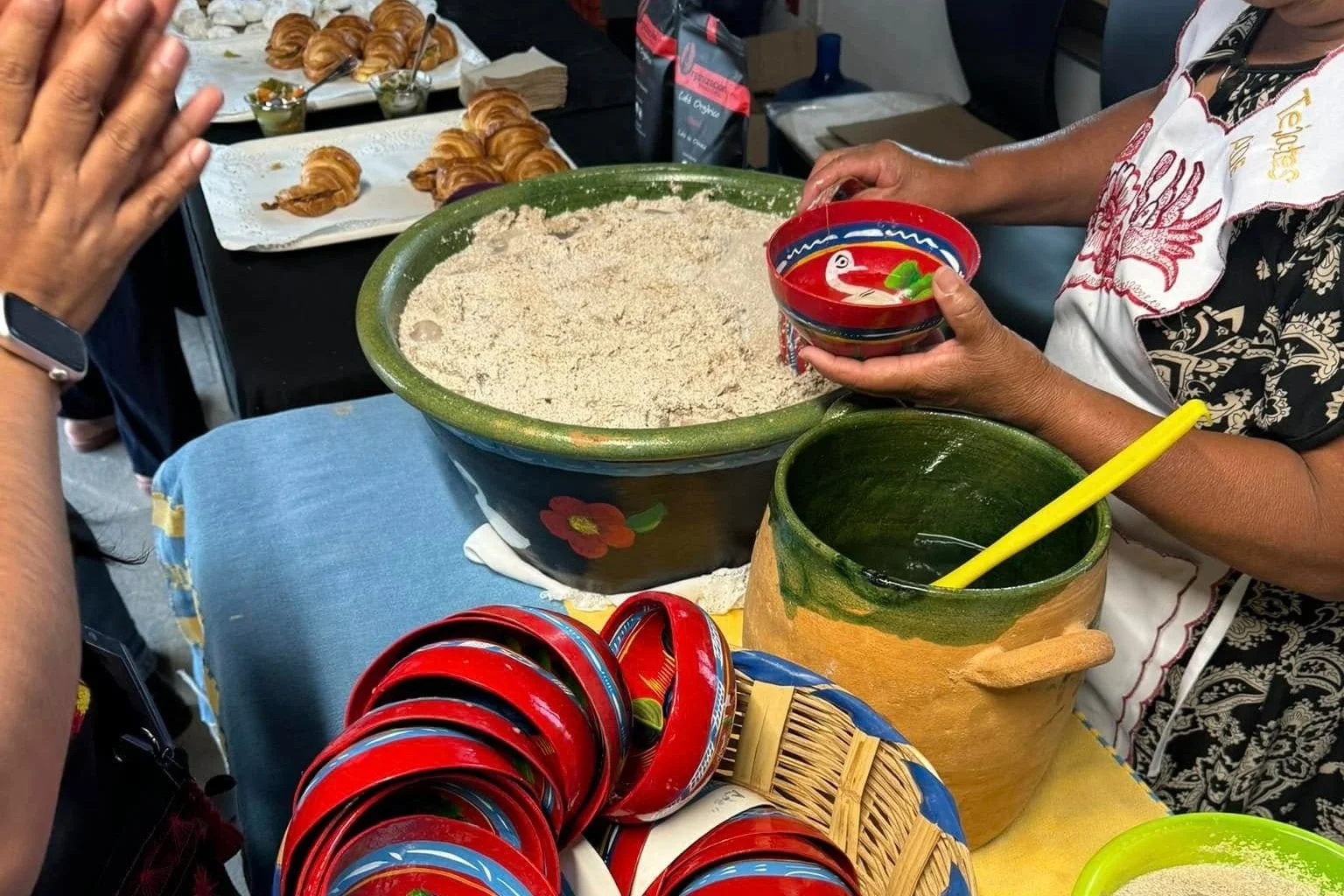
Part II of a conversation with Jo Banner and Frankie Orona, an installation of Upstream’s project exploring the role of reuse in a Just Transition.
image credit: Society of Native Nations

Part I of a conversation with Jo Banner and Frankie Orona, an installation of Upstream’s project exploring the role of reuse in a Just Transition.
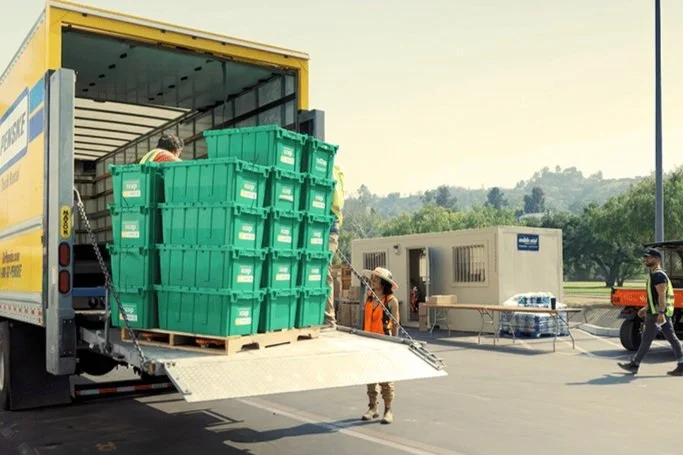
How reuse can meet the objectives of a just economy as well as provide safe, healthy, dignified jobs.
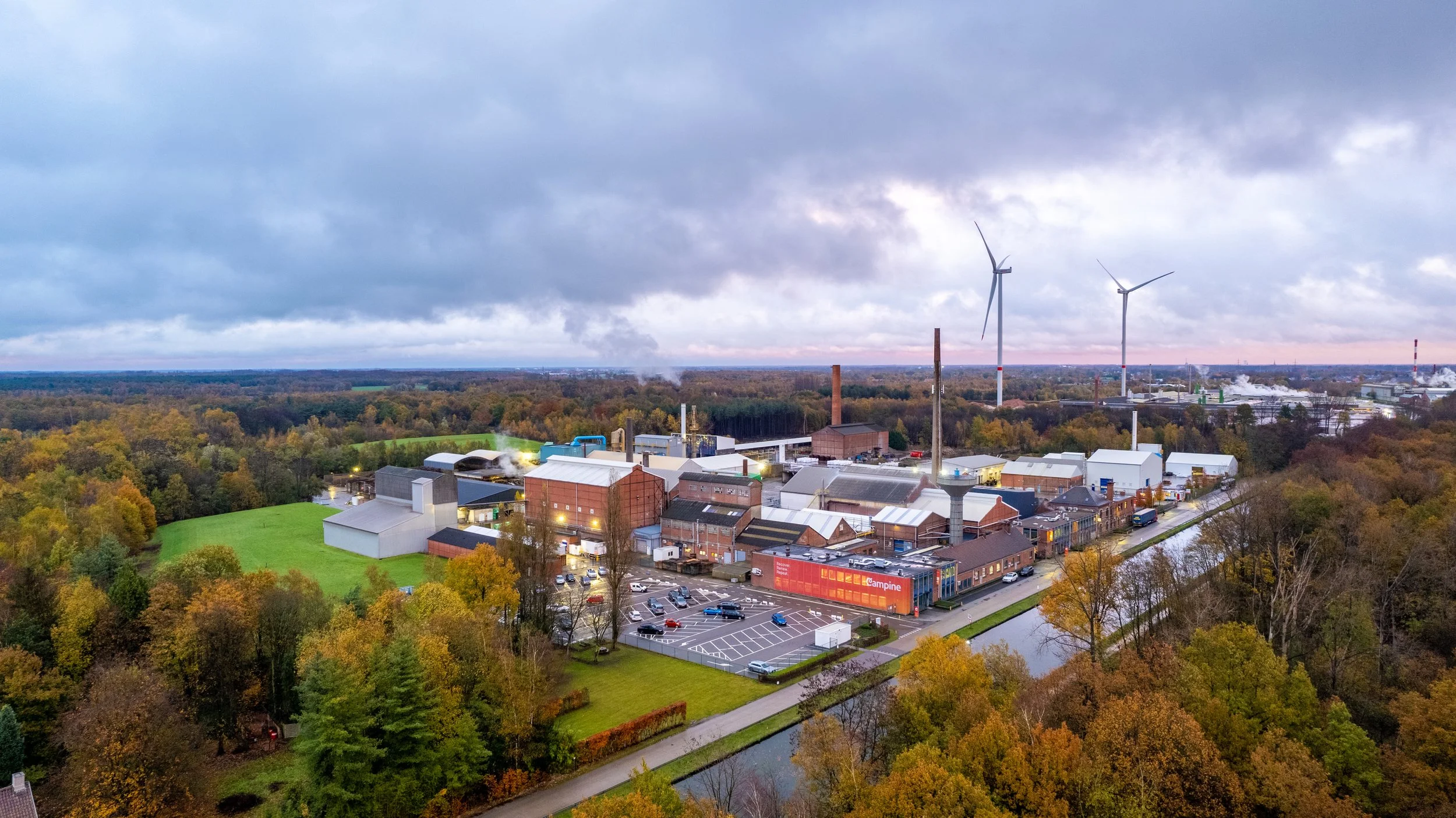
We know reuse plays a crucial role in a just transition to a more sustainable economy—but we’ve not yet explicitly stated how and why this is so.
Archives
Previous work and resources in which Upstream explored environmental justice and a just transition in the context of reuse.

Reducing resource consumption and improving production processes can develop more resilient, equitable systems that prioritize long-term sustainability for the economy, people, and the environment.


Celebrating some of the invaluable gains the environmental justice movement has made recently – and recognizing the ongoing efforts of just a few of the groups within our networks.

This Giving Tuesday, we're grateful to organizations solving environmental and social justice issues in marginalized communities. These causes are deeply connected to Upstream’s work and guiding principles. We hope you'll consider giving to a frontline group today and beyond.

In honor of Black History Month, learn the past and present of today’s environmental justice (EJ) movement. Find out how environmental racism has played a role in the mistreatment of communities of color throughout United States history – and how reuse can help drive equal access to economic, social, and environmental opportunities.

It’s been one year since George Floyd was brutally murdered at the hands of police. George Floyd has left a legacy of transformation for organizations like UPSTREAM and for every American who has felt motivated to break down the structures that uphold white supremacy and hold our fellow citizens back. Today, we want to acknowledge this moment and honor George Floyd and the countless other lives lost to police brutality and violent acts of racism.

It’s time for the hate against Asian Americans and Pacific Islanders to stop. As a nation, we must come together and denounce this violence while deplatforming the voices of hate that seek to divide us.

We must find ways to move forward as a nation and to learn to see each other as neighbors again – to forge a new social contract that seeks to truly lift all people up and to come together on the issues of our time.

Let’s do our best to find ways to reach out and dive deep, to be courageous listeners and common ground seekers, to leave the finger-pointing behind and jumpstart the friendmaking.
Dr. Mustafa Santiago Ali and Miriam Torres brought their invaluable perspective, expertise and advice to a livestream discussion on 9/24.

The gap between environmentalism and environmental justice can be large, but there are many opportunities for them to intersect.

An honest look at white privilege and white bias at UPSTREAM – and in the environmental movement and plastics space where we work.

EPISODE 188: Real talk on challenges and opportunities when it comes to centering people and planet in policymaking.

Episode 162: How reuse startup Kadeya is on track to eliminate the single-use beverage problem with their game-changing hydration technology stations.

Episode 158: Behind the scenes at the INC-4 meeting in Ottawa, plus what’s next for an international agreement to reduce plastic pollution.
photo: Benjamin Von Wong

Episode 157: Bryan Lewis, head of GreenBiz’s Emerging Leaders program, discusses empowering young sustainability professionals, a just transition to a circular economy, and what he is doing to ensure DEI doesn’t DIE.

Episode 150: More on navigating the challenges and opportunities in moving toward a new reuse economy built on principles of equity and justice for all.

Episode 149: A candid discussion on an equitable vision of a new reuse economy and aligning on how we talk about a Just Transition toward non-toxic reuse - a Reuse Solutions Network recast.

Episode 133: As an international advocate for a plastic-free future, Alejandra Warren is helping build a community-focused movement to create more equitable, sustainable systems.

Episode 130: A discussion with Dr. Mustafa Santiago Ali, Executive Vice President of National Wildlife Federation, about how we honor ourselves and each other in working towards climate justice and other means of social change.

Episode 117: Jose Bravo, Executive Director of the Just Transition Alliance, joins us to talk about why environmental and climate solutions must prioritize the communities most affected.

Episode 112: Tiza Mafira, Co-Founder and Executive Director of the Indonesia Plastic Bag Diet Movement, discusses recent successes and challenges.

EPISODE 91: Taking a look at the effects of racism, climate change, and unchecked consumption on communities of color – with environmental justice leaders Dr. Ana Baptista and Jose Bravo.

EPISODE 79: Lessons from the Gulf Coast frontlines: connecting climate, racial, and environmental justice to turn off the tap on disposable, single-use production.

EPISODE 77: In honor of Black History Month, Upstream’s Marcel Howard discusses the historical scars of environmental racism, the rise of the environmental justice movement – and why reuse is an important part of the solution.

EPISODE 45: Standing with #breakfreefromplastic this Earth Day in support of community-led actions to stop toxic plastic production across the US.


EPISODE 27: Reflections on dismantling racism within the plastic pollution movement and ourselves. Co-interview with Matt Prindiville and Brooking Gatewood.

EPISODE 25: A conversation about race and the environmental movement with marine biologist, policy advocate, and UPSTREAM board member Letise LaFeir.
Across North America, an unrecognized labor force is cleaning up communities, reducing municipal costs, raising recycling rates — and has potential to raise return rates for reusables, too.